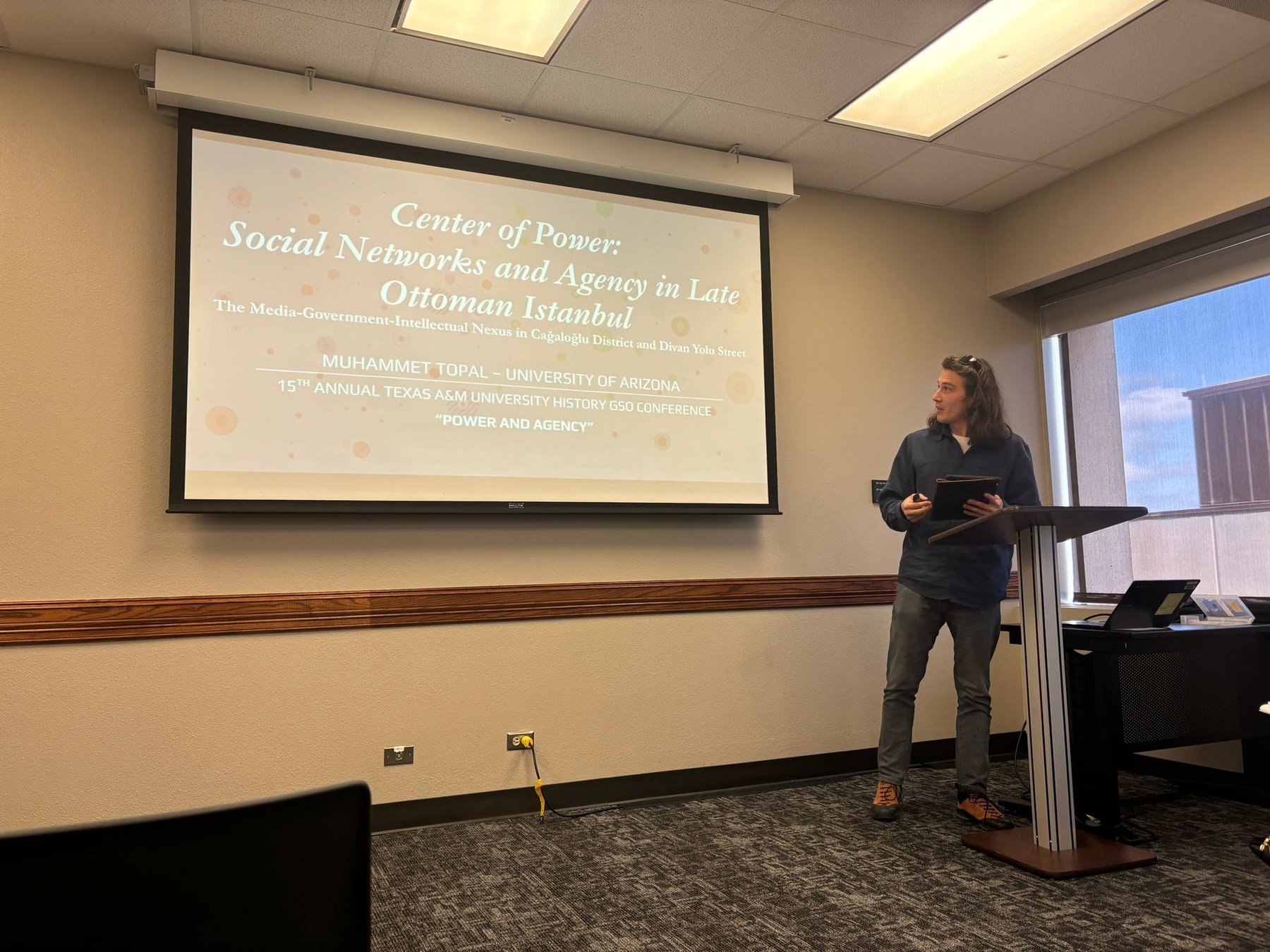
Research
Dissertation
In my doctoral project, I study how intellectual authority, public life, and political judgment were made in the long nineteenth century. My work challenges two common ways of reading Ottoman intellectuals. The first reduces them to political labels: loyalist, oppositionist, conservative, liberal, Young Turk, Islamist, Ottomanist. The second treats them mainly as transmitters of European ideas, as if Ottoman intellectual life were a delayed version of European modernity. Against these approaches, I ask how Ottoman intellectuals actually lived, worked, wrote, taught, advised, criticized, and moved through the institutions that made their authority possible.
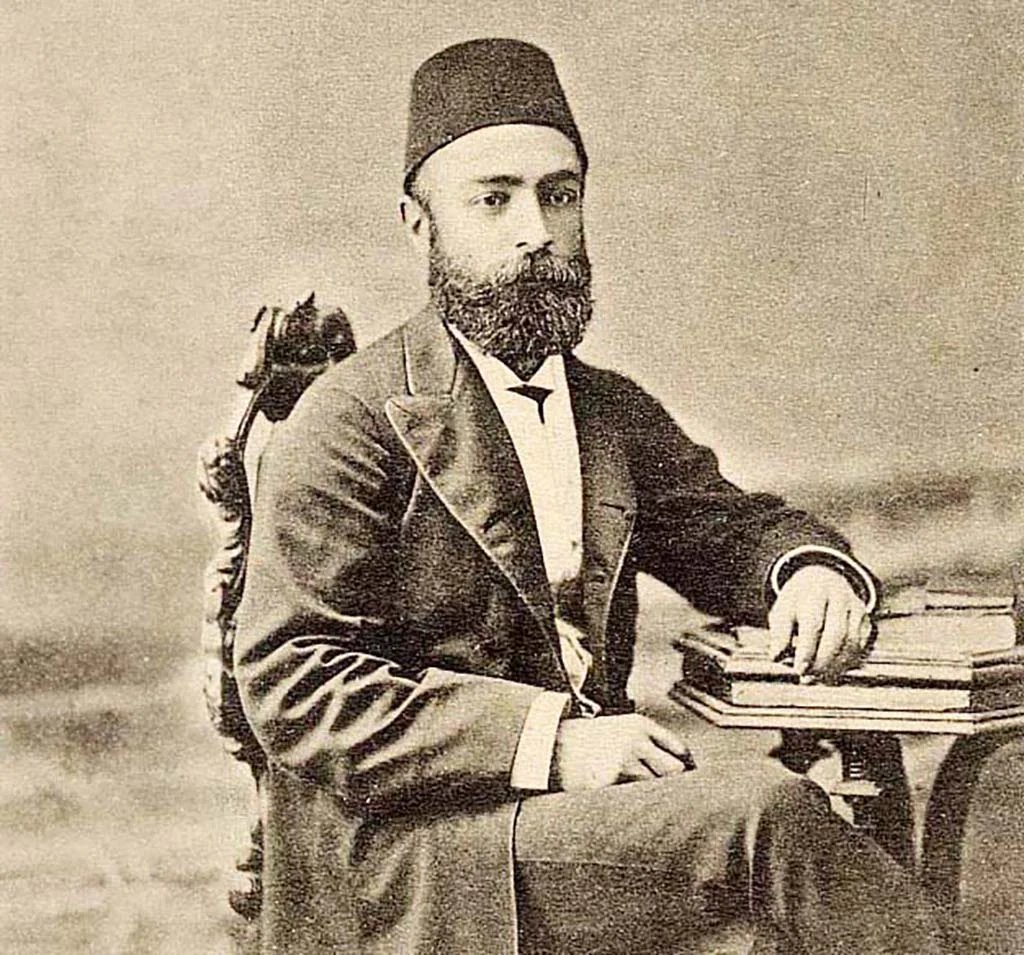
My dissertation examines this problem through the life and writings of Mizancı Mehmed Murad Bey (1854 to 1917), a Dagestani émigré who became one of the most paradigmatic intellectual figures of the late Ottoman world. Mehmed Murad was not only a reformist or political actor. He was also a historian and professor at Mülkiye, novelist and playwright, journalist and public moralist, bureaucrat and opponent. This multiplicity in his occupations, along with his life trajectory, allows me to study the Ottoman intellectual not as a fixed social type, but as a figure formed in a series of tensions: between center and periphery, migration and belonging, reform and tradition, the public intellectual and the state servant, and, finally, loyalty and dissent.
In my dissertation, The Making of an Ottoman Public Intellectual: Mehmed Murad Bey between Loyalty and Dissent, I treat life-writing not as an end in itself but as a method, drawing on global microhistory, intellectual history, and biography to grasp the spirit of the long nineteenth century through the entangled histories, geographies, circles, and ideas that Mehmed Murad traversed. I use his life to ask how a late Ottoman public intellectual became possible, how he made sense of the Ottoman Empire and the world surrounding it through literary, scholarly, and political engagement, and how proximity and distance to power eventually turned intellectual labor into political risk.
The project is organized around three movements: formation, worldmaking, and political existence. In the first part, Formation, I reconstruct the conditions that made Mehmed Murad possible in two chapters. I begin with Dagestan after the Caucasian War and with his early education in the Russian imperial school system. This part asks how a Muslim child from a highland society under Russian rule acquired the linguistic, institutional, and intellectual resources that later allowed him to enter the Ottoman center. I describe this process through the concept of peripheral centrality: the paradox by which marginal positions can generate forms of knowledge, mobility, and flexibility that become valuable at the center. The point is not to romanticize marginality. Murad’s peripheral formation gave him resources, but it also produced fragility. He could enter the Ottoman world with unusual speed as an imperial subject, but he never fully escaped the vulnerability of being both inside and outside.
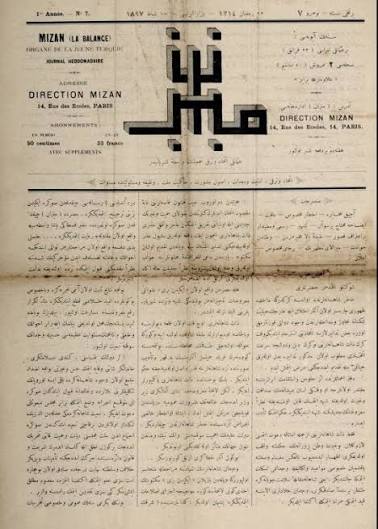
The second part, Worldmaking, is the center of my current work. Here I study the moment when Mehmed Murad turns from being formed by worlds to forming worlds in writing. I examine three genres in three chapters: history, literature, and journalism. In his historical works, he ordered the Ottoman past and placed the empire within universal history. In his fiction, translations, and literary criticism, he imagined social types and moral possibilities for Ottoman modernity. In his journalism, above all in Mizan, he turned public writing into a practice of judgment, teaching readers to recognize disorder, responsibility, reform, and political failure. These genres were not separate activities. They were three modes of the same intellectual labor: making the Ottoman world legible to himself and to his readers, who were living through the crises and transformations of their time.
In the third part, Political Existence, I follow what this way of working cost him, in two chapters. Mehmed Murad's authority was shaped by his proximity to power. He could teach because he had entered state institutions, advise because he had access to political elites, and publish because he understood the language of reform from within the Ottoman bureaucratic world. But the same proximity that gave him authority made criticism, and the distance it required, dangerous. This part follows his movement from advice to estrangement, from journalism to exile, from Young Turk leadership to return, and finally to marginalization in the post-Hamidian era. The central question is not whether Mehmed Murad was conservative or progressive. It is how late Ottoman intellectual life forced figures like him to move between loyalty and dissent, service and criticism, access and vulnerability.
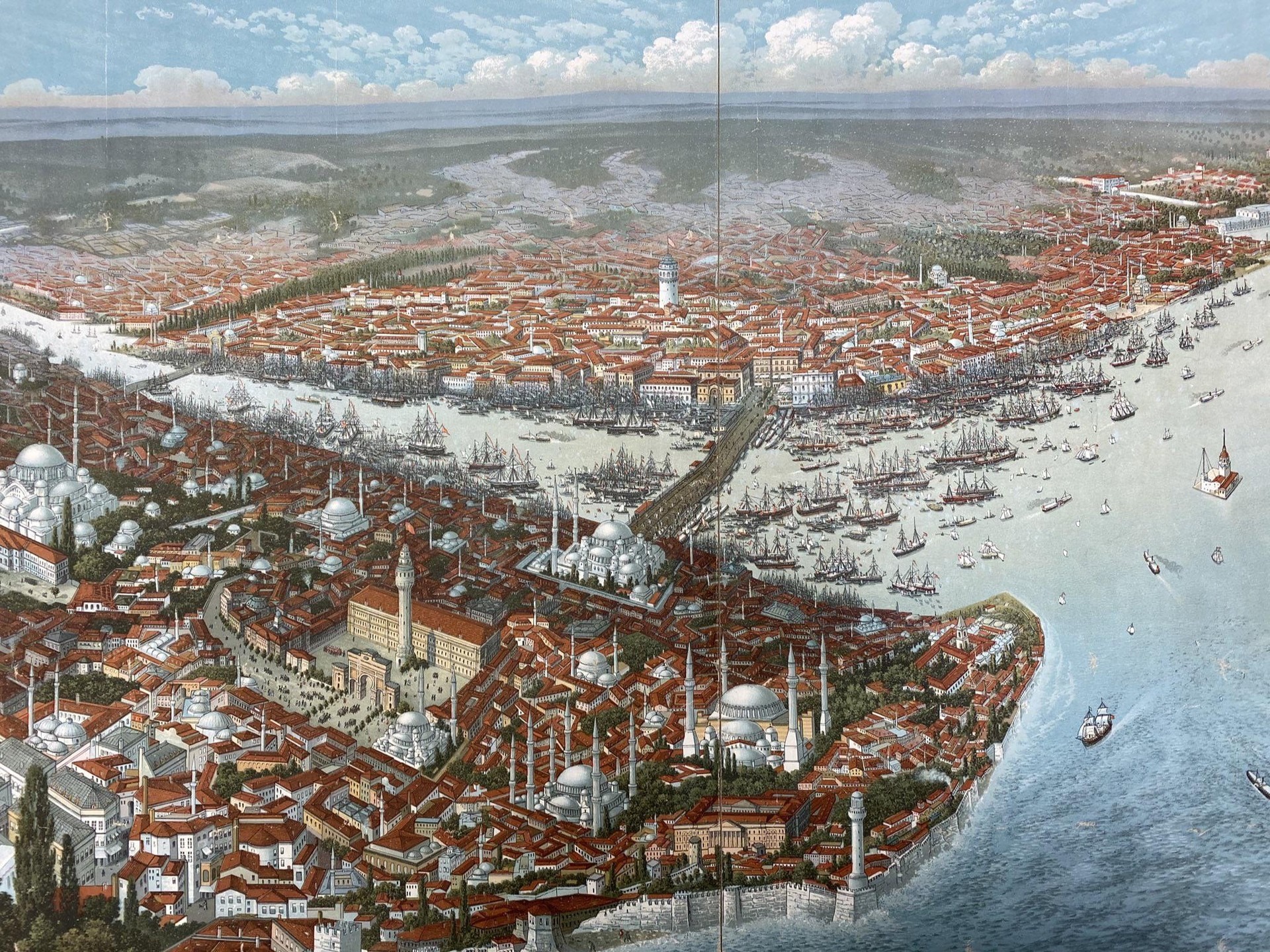
Methodologically, the dissertation combines intellectual history, global microhistory, biography, and historical sociology. I work across Ottoman Turkish, Turkish, French, Arabic, English, Russian, and Caucasian-language sources, including newspapers, memoirs, autobiographical writings, correspondence, diplomatic reports, archival registers, literary texts, visual materials, and period histories, along with the related secondary literature. Alongside archival research, close reading, and discourse analysis, I also draw on digital and quantitative methods such as spatial and social network analysis, with the aim of making visible the relationships among people, places, institutions, genres, and publics.
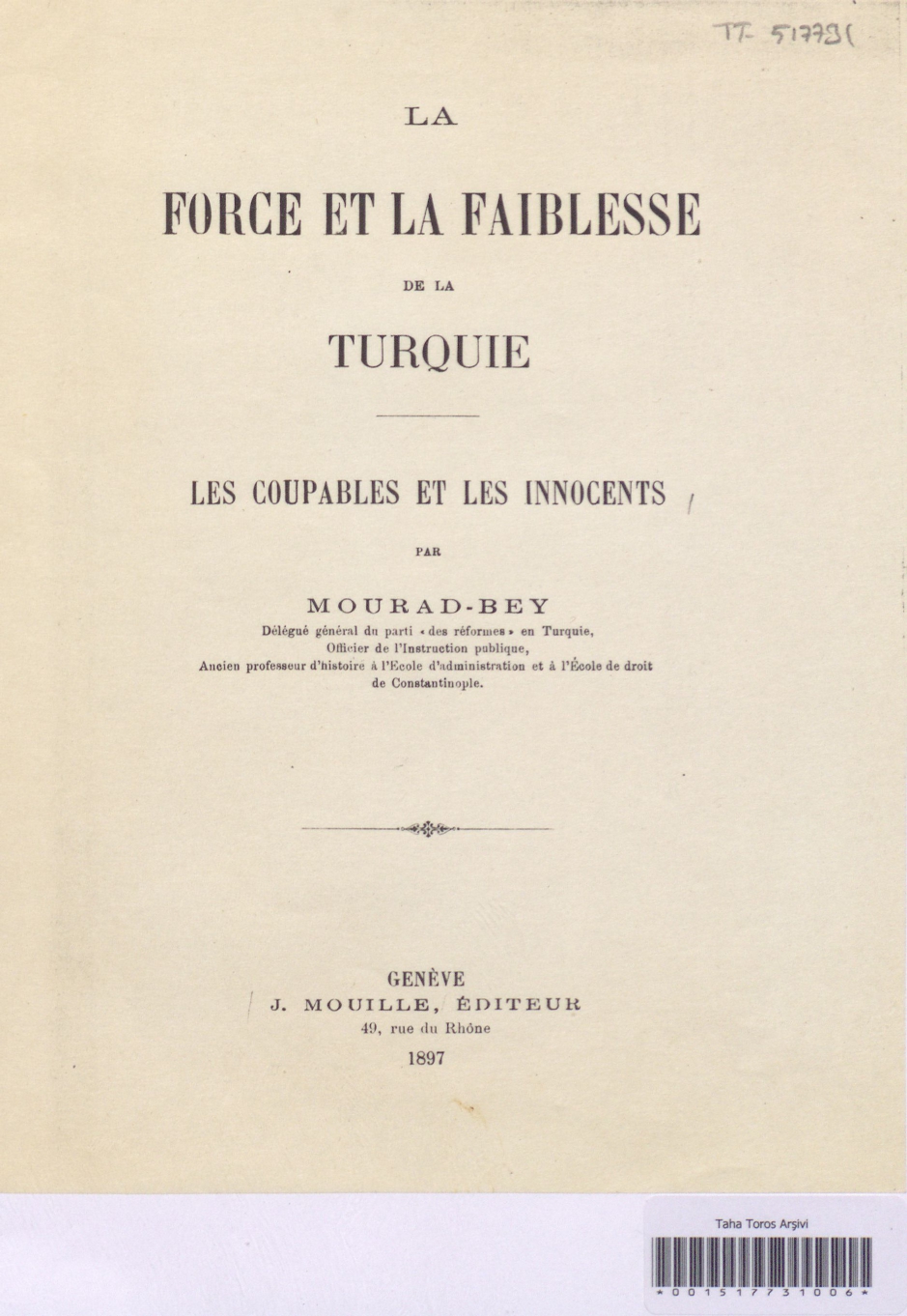
Across the dissertation, Mehmed Murad's life brings into view a world larger than himself. The long nineteenth century was an age when an older order was shed, and another worked its way into being. Empires were being remade from within and pressed from without, as colonial expansion redrew the map of the world while nationalisms and revolutions unsettled the multi-ethnic and multi-confessional order. As older forms of authority receded, institutions, sciences, and technologies reshaped how people lived and thought. The press created publics, railways and the telegraph drew distant places together, schools and academies produced a learned class, and populations moved across borders that were themselves being redrawn. The very terms through which people understood belonging, knowledge, and power were shifting under their feet. Out of these transformations a figure like Mehmed Murad became possible, formed at the crossings of empire, migration, and education. His life gathers these currents into a single case, where center meets periphery, displacement meets belonging, reform meets tradition, and loyalty meets dissent.
Research Trajectory
My doctoral project explores the modern currents of the long nineteenth century through Mehmed Murad Bey’s trajectory and oeuvre, within a transforming imperial world whose grammar and spirit were themselves changing. I follow his formation between periphery and center, inherited and modern forms of knowledge; his intellectual production across history, fiction, political thought, and literary criticism; and his passage through imperial centers, state institutions, and shifting political positions. These concerns grew out of my earlier interdisciplinary training in the social sciences and humanities, particularly in history and political science, and from a sustained interest in the Ottoman Empire, the imperial worlds with which it was entangled, modern Turkey, and the broader Middle East and North Africa as spaces where empires and states were lived, questioned, and reimagined by those who moved through them.
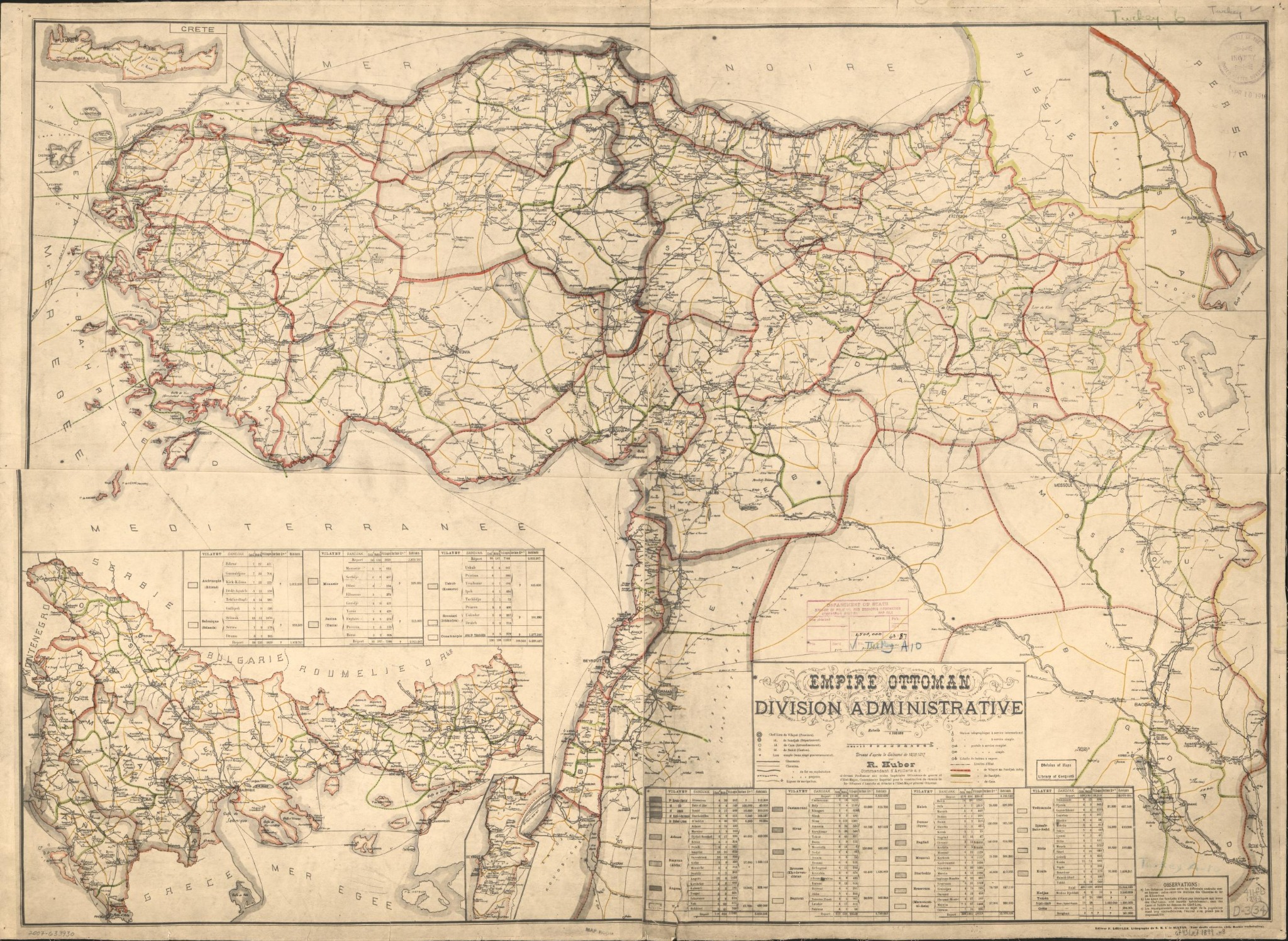
My undergraduate training at the Boğaziçi University History Department gave me a broad historical formation while also encouraging openness to neighboring disciplines, including political science, sociology, philosophy, and cultural studies. This interdisciplinary environment shaped the way I came to approach the Ottoman Empire and post-Ottoman formations not only as political realities, but also as social, cultural, and intellectual worlds. Within this broader formation, one of my major research projects examined the making of the Ottoman-Qajar borderland in the nineteenth century. Rather than treating the eastern frontier of the Ottoman Empire as a fixed line between two states, I studied it as a political and social space shaped by centralization, uncertainty, negotiation, and mobility. During an exchange period at Sciences Po, I pursued these questions from the perspective of political science and international relations, while also improving my French and entering more directly into a Francophone academic environment. This experience opened the path to my later graduate studies in Paris, where my work turned more specifically toward Ottoman intellectual history.
If my undergraduate years had fostered an openness to various disciplines, my MA at the École pratique des hautes études (EPHE-PSL) marked a return to the sources: to French and Ottoman archival materials, Islamic studies, and the close work of philological and historical interpretation. My thesis, Individuation et politisation : Portrait d’un intellectuel ottoman en tant que journaliste, examined the formation of the intellectual as a historical figure through the case of Mehmed Murad Bey’s early journalistic career. It investigated the intermediary role of journalists and public writers between the administrative class, intellectual elites, and the wider Ottoman public. Its central question was how someone became recognizable as an intellectual in the late nineteenth century. I approached individuation and politicization as connected processes, asking how a personal trajectory acquired public meaning and how writing became a medium through which moral, historical, and political authority could be claimed. The thesis was therefore organized around two movements: first, the formation of an intellectual self, and second, the transformation of journalism into a space of political intervention, instruction, and public reasoning. In this sense, the project became the seed of my later work by teaching me to read intellectual authority and independence not as fixed attributes, but as positions shaped and negotiated through individual trajectories, institutional settings, journalistic practices, and relations with public opinion and state power.
During the same period in Paris, I also received training in digital humanities at the École nationale des chartes, particularly in geographic information systems, digital mapping, and the spatial analysis. This training added a quantitative dimension to my archival and philological formation and gave me new ways of thinking about movement and place.
At the University of Arizona, my doctoral training allowed me to expand this earlier project from the question of the individuation and politicization of the intellectual to the broader problem of how, in an age of imperial transformation, spatial relations between center and periphery, epistemic relations between knowledge and power, and social relations between mobility and belonging shaped the conditions of intellectual and political life. These relations were inseparable from the historical tensions between tradition and reform, empire and nation, individual trajectory and social order, public opinion and state power, through which intellectual authority and political action could be formed, sustained, and undone. My coursework in sociology further developed this perspective through training in social network analysis and computational approaches to relational data. Working with coding-based analytical tools taught me to examine intellectual and political life not only through individual actors and texts, but also through patterns of association, mediation, circulation, and connection.
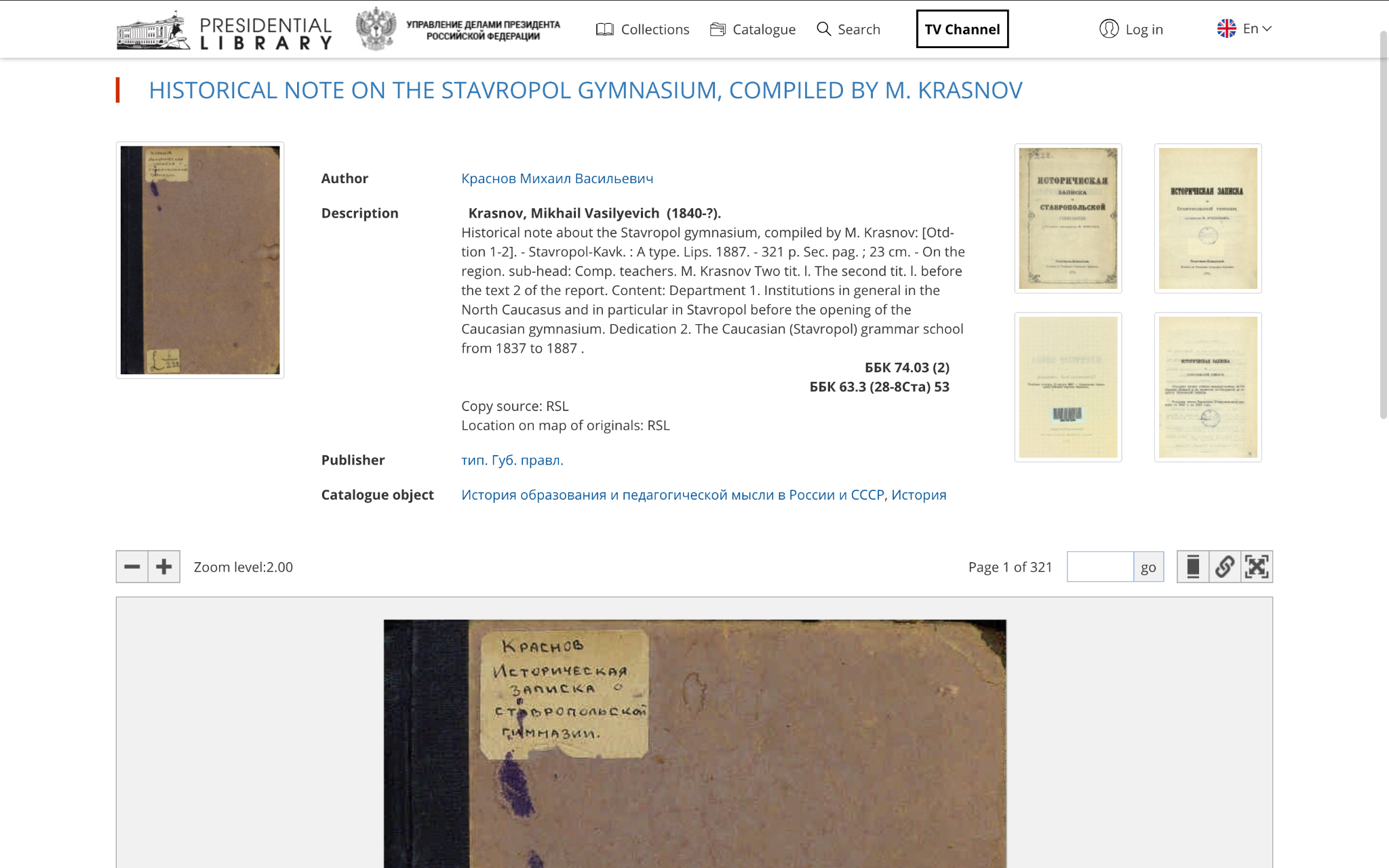
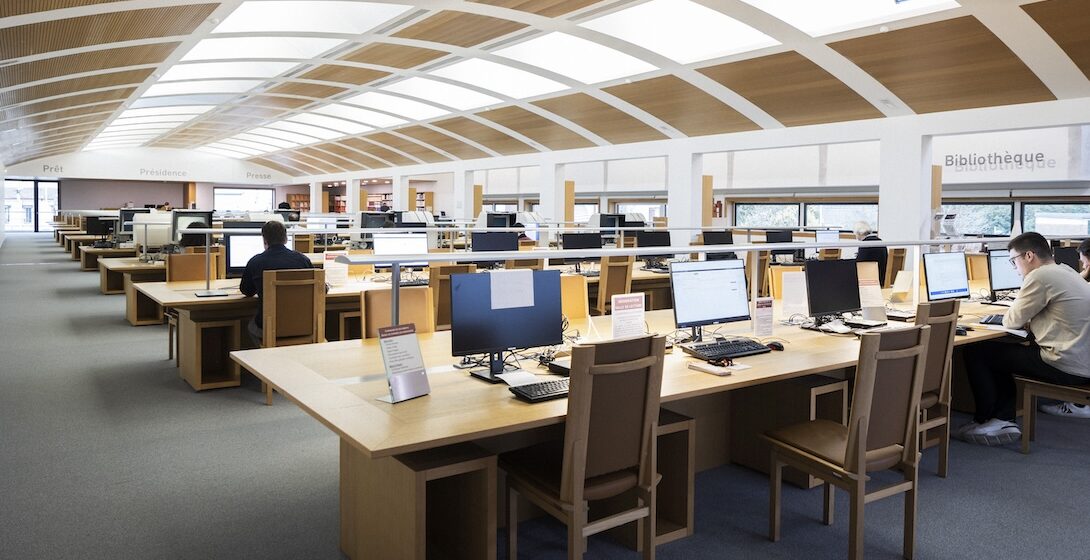
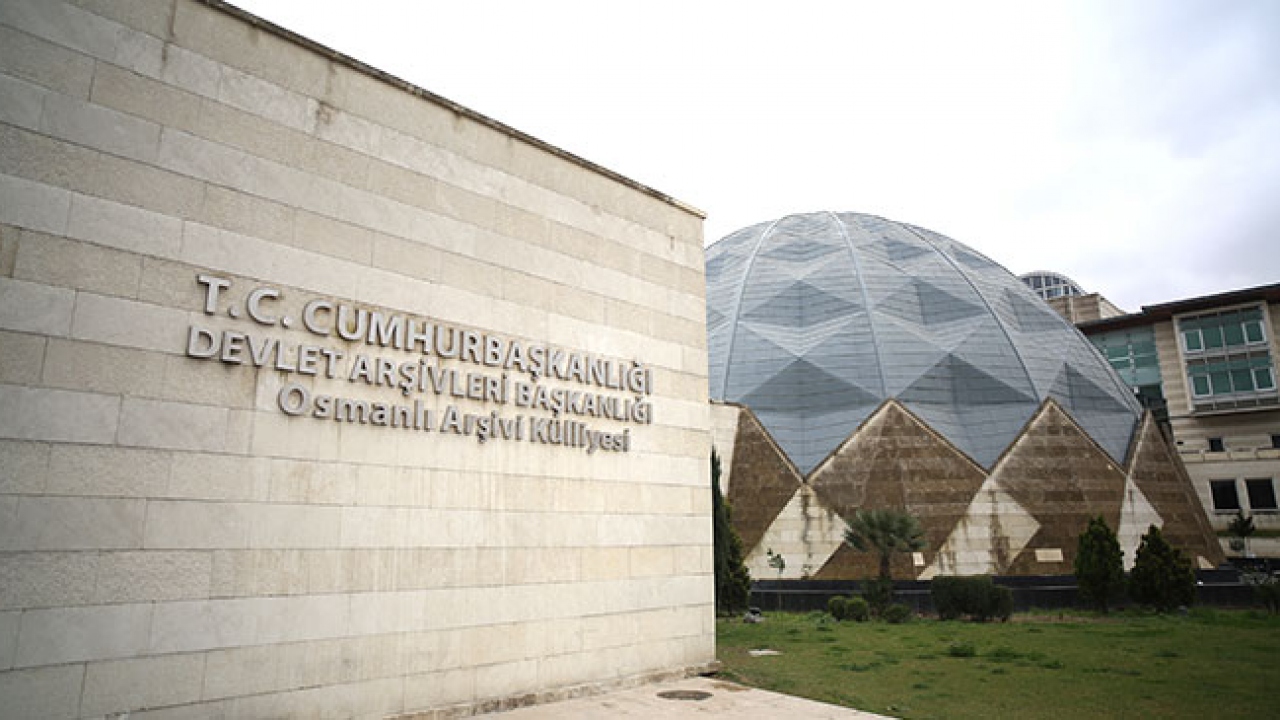
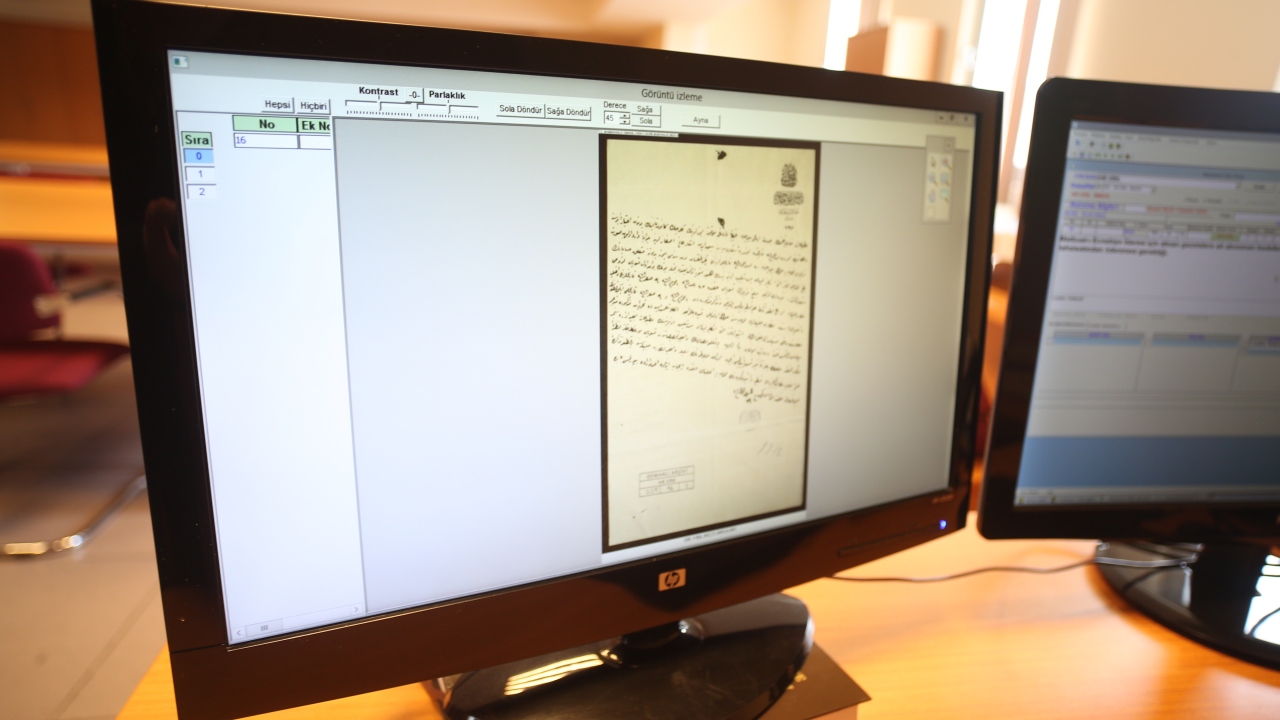
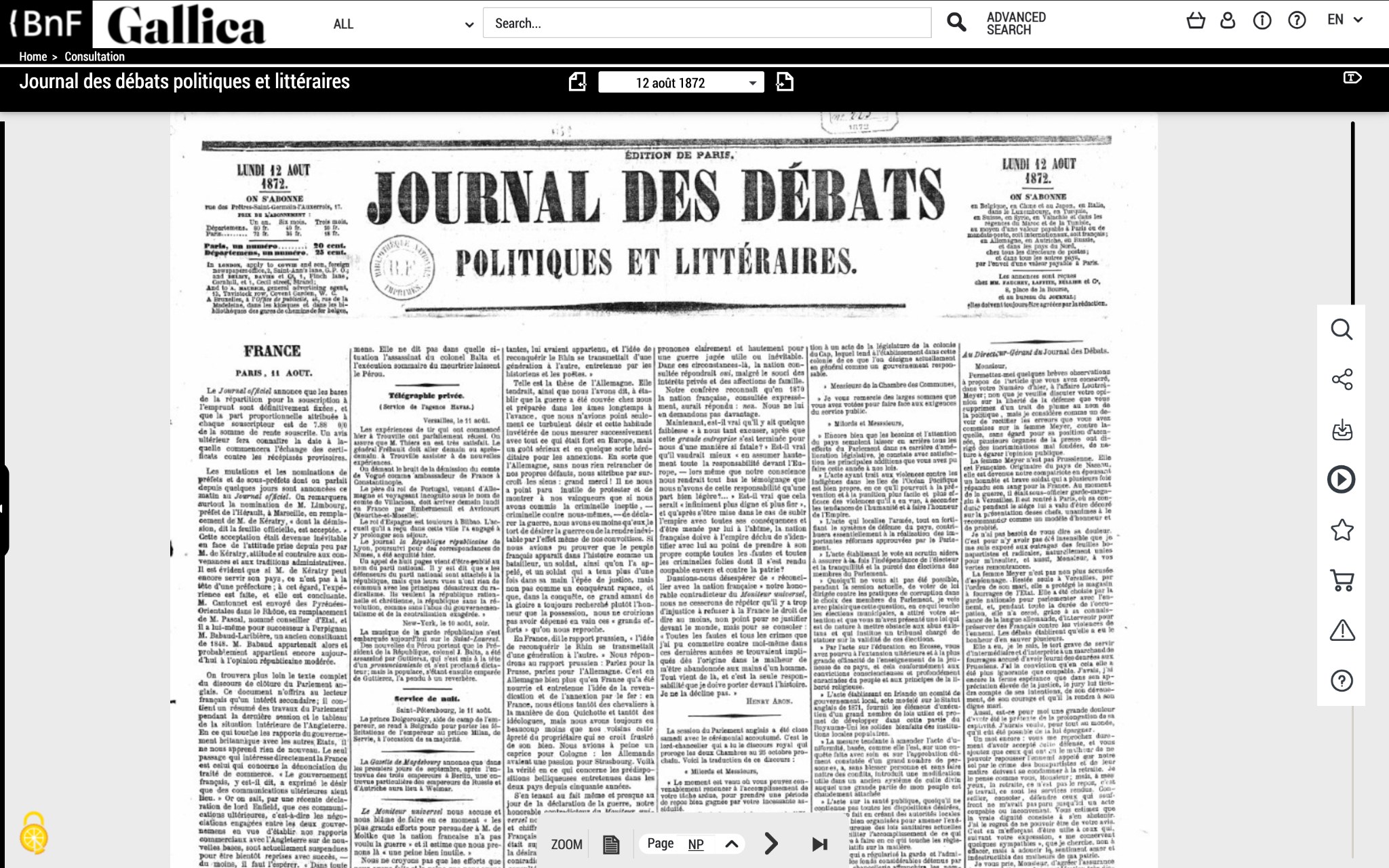
During my doctoral years, this widening of perspective was accompanied by sustained linguistic and archival work across Ottoman Turkish, modern Turkish, French, English, Arabic, and Russian materials. It involved archival research in the Ottoman Archives in Istanbul; French archives, including the Centre des Archives diplomatiques in La Courneuve and the Archives de la Préfecture de police in Paris; Russian state archives, including digital collections of the Russian Presidential Library; Caucasian regional archival collections; and the digital collections of the Center for Creative Photography at the University of Arizona. It also drew on library and research collections at the Atatürk Library, İSAM Library, SALT Research, Boğaziçi University Library’s Near-Eastern Collection, Beyazıt State Library, the Library of the Institut français d’études anatoliennes, the Library of the Orient-Institut Istanbul, the Bibliothèque nationale de France, the Bibliothèque universitaire des langues et civilisations (BULAC), the Bibliothèque d’études ottomanes at the Collège de France, the Bibliothèque Ulm-Jourdan of the École normale supérieure, the Bibliothèque interuniversitaire de la Sorbonne, the Library of Congress, Princeton University’s Firestone Library, the University of Arizona Main Library, and the resources of the University of Arizona Center for Middle Eastern Studies.
At the same time, Arizona’s MENAS program placed my work in conversation with area studies, anthropology, decolonial theory, religious studies, and contemporary MENA studies. This helped me think about the late Ottoman Empire not only as a nineteenth-century historical field, but also as part of longer regional questions concerning the making of the modern Middle East and North Africa. My teaching experience at Arizona further extended this trajectory by making pedagogy itself part of my research formation. Through a Teaching-as-Research project for a course of mine on Political Islam, I began to treat pedagogy as a field of inquiry, examining how different forms of student participation shape engagement, accessibility, and students’ understanding of course material. This experience encouraged me to approach teaching not only as the communication of historical knowledge, but also as a way of studying how students encounter, interpret, and debate the Middle East and North Africa in contemporary classrooms and online learning environments.
Taken together, these experiences have shaped my approach to intellectual history as a field that connects individual trajectories, social formations, institutions, intellectual production, and political structures across local, imperial, and transregional scales. They have also prepared the ground for my future work, which will continue to examine how political and intellectual life is formed through movements between empires, languages, archives, and classrooms.
Future Directions
My future research develops from the dissertation in several connected directions. The first is the long nineteenth century. My dissertation focuses strongly on the Hamidian period, but the problems it studies began earlier. I am interested in the decades from the 1820s through the Tanzimat and into the late nineteenth century, when Ottoman statesmen, intellectuals, diplomats, educators, and journalists reworked the language of authority, justice, law, loyalty, sovereignty, and imperial survival. This direction would allow me to connect Murad’s world to earlier debates around reform, diplomacy, balance politics, centralization, and the changing political language of the Ottoman state.
The second direction is the late Ottoman Empire within a wider Mediterranean and MENA framework. I am interested in the connections among Istanbul, Cairo, the Caucasus, North Africa, the Balkans, and the eastern Mediterranean. Rather than treating Ottoman, Turkish, Arab, Balkan, and Caucasian histories as separate national stories, I want to follow the movements of people, texts, ideas, institutions, and political vocabularies across these spaces. This includes questions of colonialism, anti-colonial discourse, imperial competition, reform, migration, war, public opinion, and sovereignty.
A third direction is contemporary Turkey and the Middle East through historical sociology. My training is historical, but many of the questions that motivate my work remain active in the present: political authority, religion and public life, nationalism, minorities, migration, war, historical memory, media, and the uses of the past. I do not want to collapse the nineteenth century into the present. I want to understand how imperial and later formations continue to shape contemporary political and social life.
I am also interested in biography as a research and teaching method. Individual lives make large historical processes visible without turning them into abstractions. Through biography, one can study empire, migration, education, bureaucracy, exile, intellectual formation, public opinion, and political crisis at the level of lived experience. Future projects may use this approach comparatively, bringing Ottoman, Middle Eastern, Mediterranean, and global cases into the same analytical field.
Finally, I want to continue thinking about history education, public discourse, and historical consciousness. Murad’s career as a teacher of history, writer of universal history, journalist, and public moralist shows how historical knowledge can become a political instrument. This problem extends beyond the late Ottoman world. I am interested in how societies teach the past, how public narratives are constructed, and how history becomes a language through which people understand crisis, identity, legitimacy, and collective futures.
Publications
Books and translations
Nolan, Melanie. Biography: An Historiography. Turkish translation by Muhammet Topal. İstanbul: Vakıf Bank Kültür Yayınları, 2026. Originally published by Routledge, 2023. Forthcoming.
Articles and chapters
Topal, Muhammet. “Bringing Them Across the Border: Dagestani Mehmed Murad Bey’s Petitions for Emigration and Family Reunification.” Keshif: E-Journal for Ottoman-Turkish Micro Editions 4, no. 2. University of Vienna, forthcoming.
Topal, Muhammet. “A Camel Story: Hadji Ali and the Transimperial Routes of Labor, Identity, and Enterprise.” Footnotes: A Journal of History 8 (University of Arizona, 2026): 70–84.
Topal, Muhammet. “In Pursuit of Representation, Memory, and Narrative: Three Travelers on the Silk Road, Marco Polo, Ibn Battuta, and Benjamin of Tudela” [Turkish original: Temsil, Hafıza ve Anlatının İzinde, İpek Yolu’nda Üç Seyyah: Marco Polo, İbn Battûta ve Tudelalı Benjamin]. Tarih Dergisi, no. 32, Silk Road special issue, edited by Kahraman Şakul (2025): 178–86.
Dissertations and theses
Topal, Muhammet. The Making of an Ottoman Opposition: Mizancı Mehmed Murad Bey between Loyalty and Dissent. PhD dissertation in progress, University of Arizona, September 2026. Committee: Benjamin Fortna (chair), Linda Darling, Yaseen Noorani, Maha Nassar, and Jadwiga Pieper Mooney.
Topal, Muhammet. Individuation et politisation : Portrait d’un intellectuel ottoman en tant que journaliste. Master’s thesis, École pratique des hautes études, September 2020. Jury: Özgür Türesay (chair), Nicolas Vatin (co-chair), and Alexander Toumarkine.
Topal, Muhammet. Uncertainty of the Persian Border: The Making of an Ottoman-Qajar Borderland from 1823 to 1913. BA graduation project, Boğaziçi University, May 2018. Supervisor: Edhem Eldem.
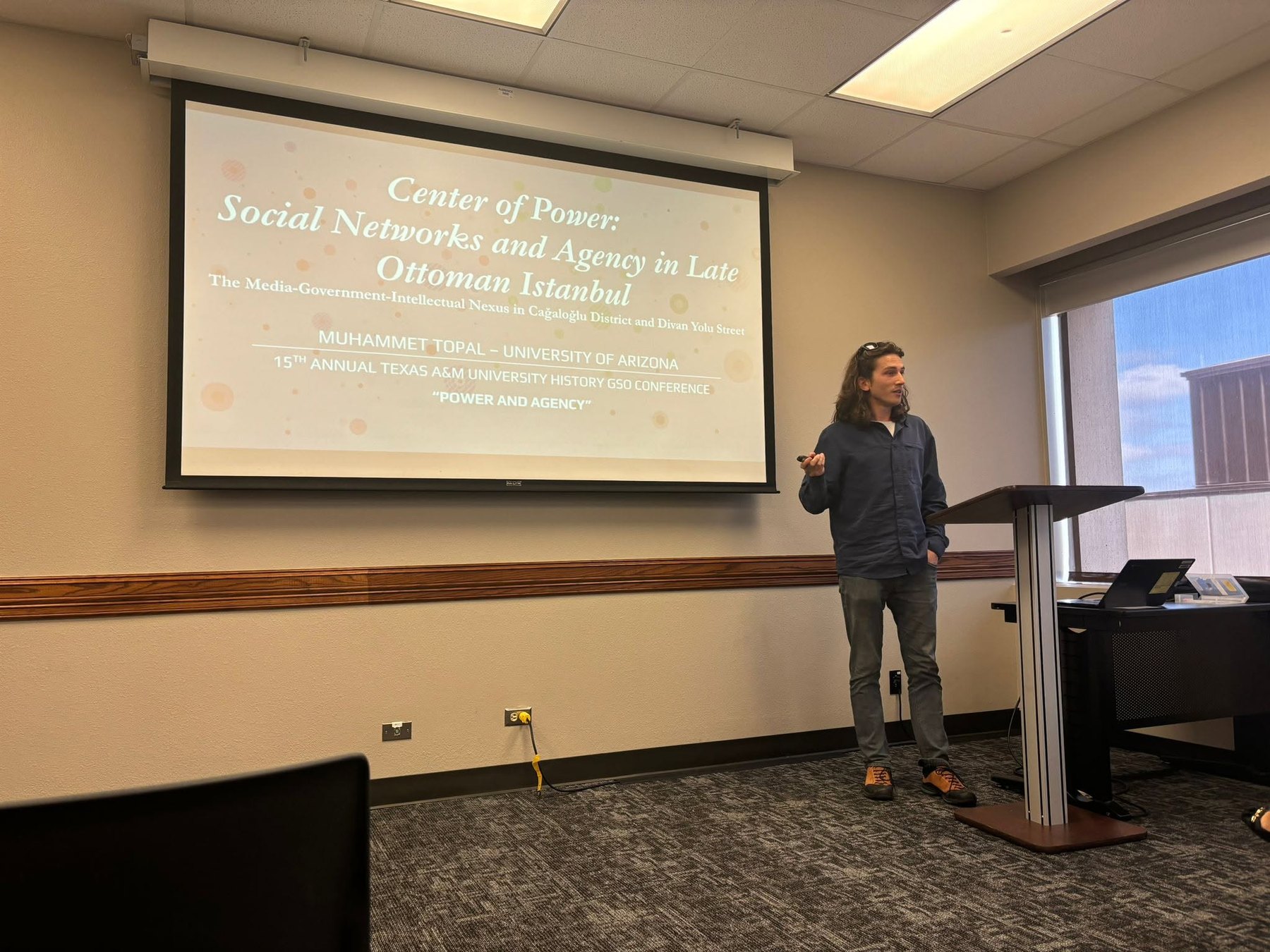
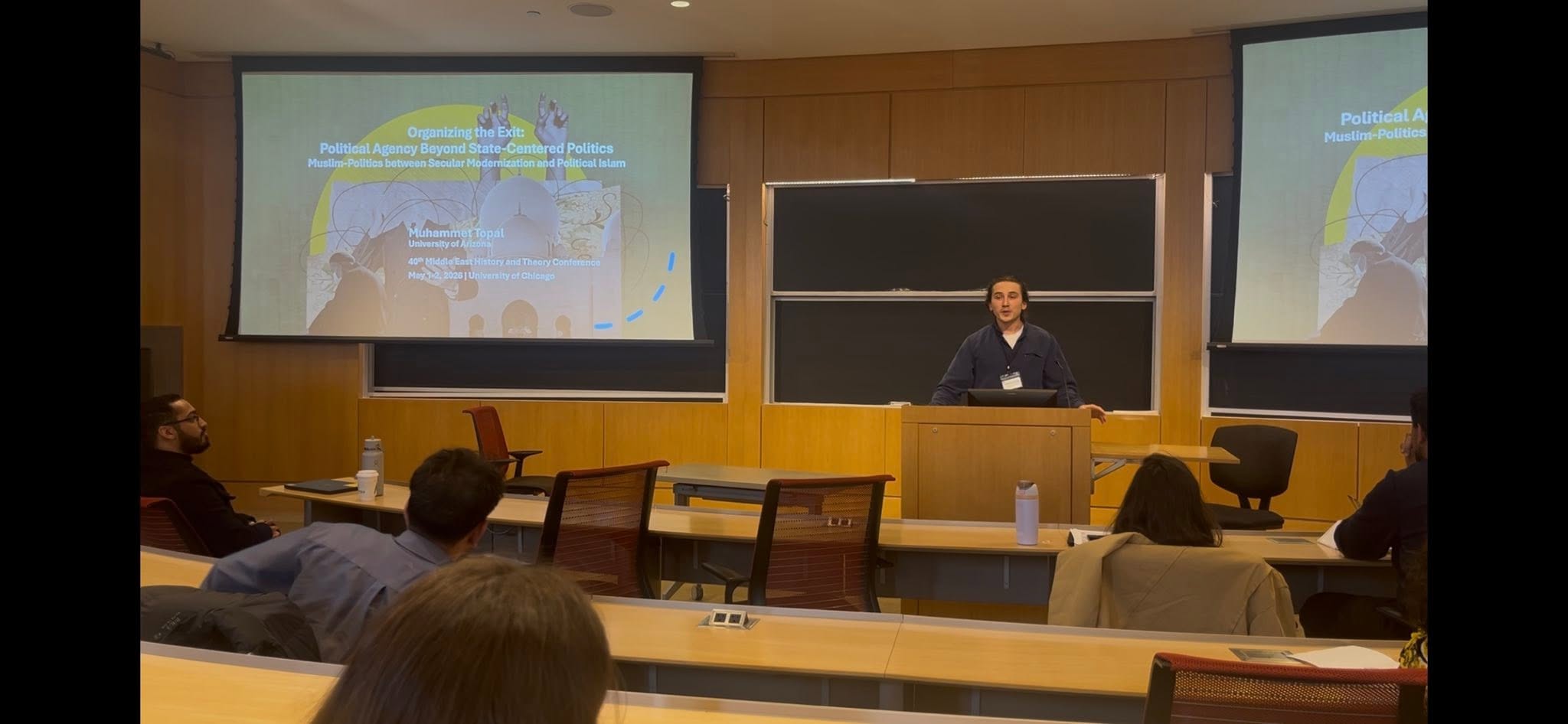
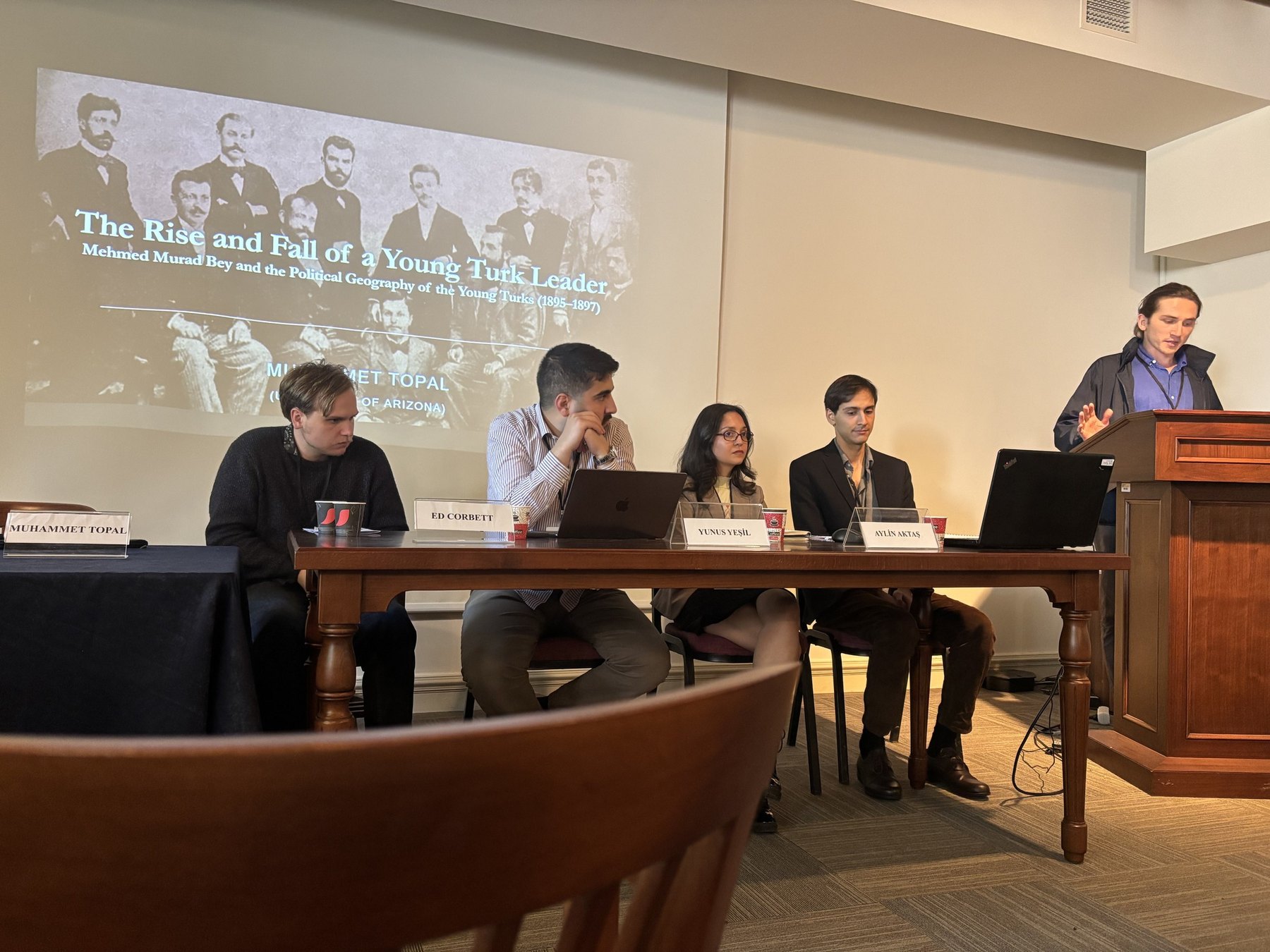
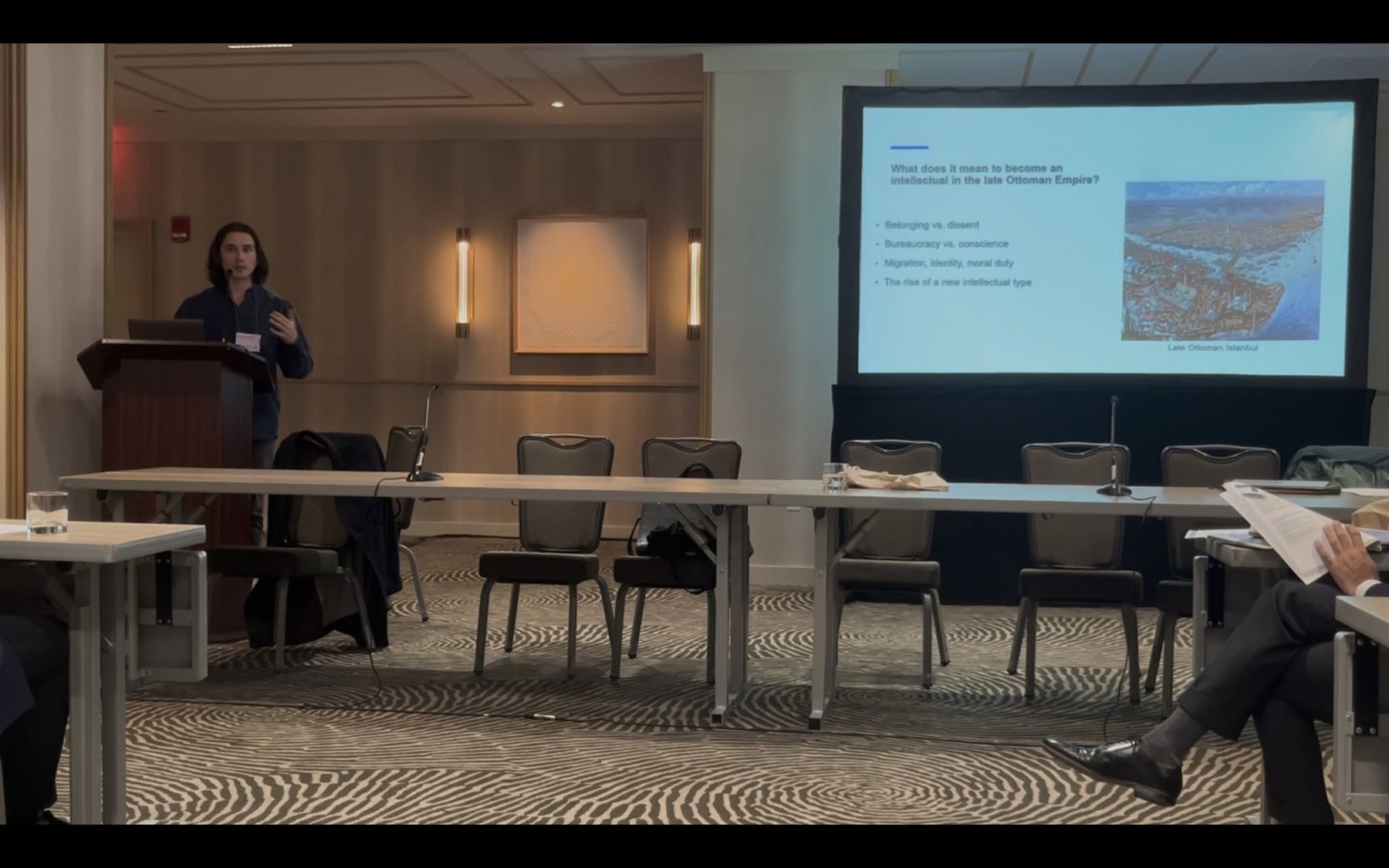
Presentations