
Teaching
Teaching Experience
Instructor of Record
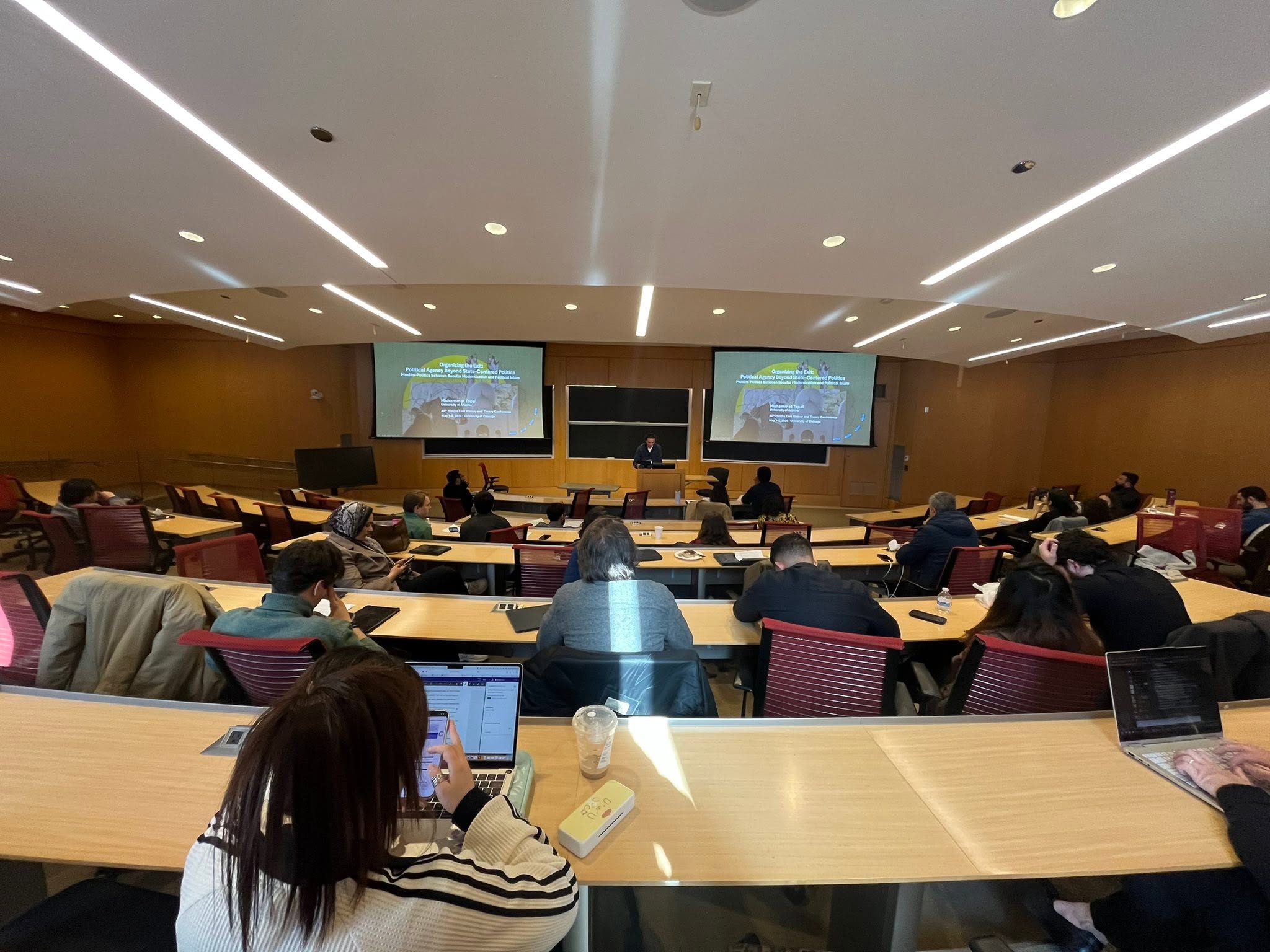
As instructor of record, I designed and taught these courses as the primary instructor. My responsibilities included syllabus and course design, learning objectives, lectures, classroom facilitation, assessment design, grading, office hours, student communication, and ongoing adjustment of course materials to support student learning.
Introduction to Political Islam
Middle East Ethnic and Religious Minorities
Religion of Islam
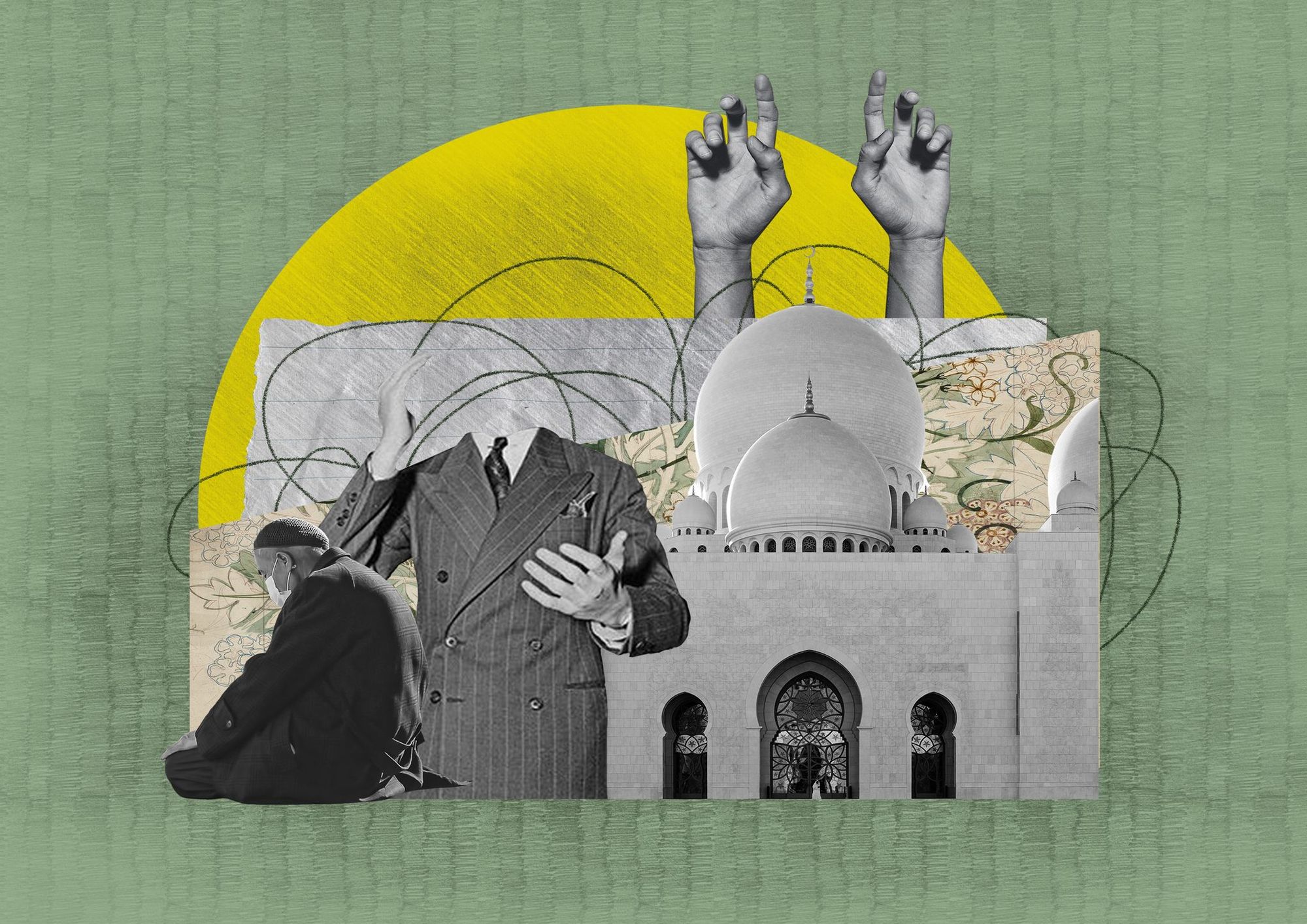
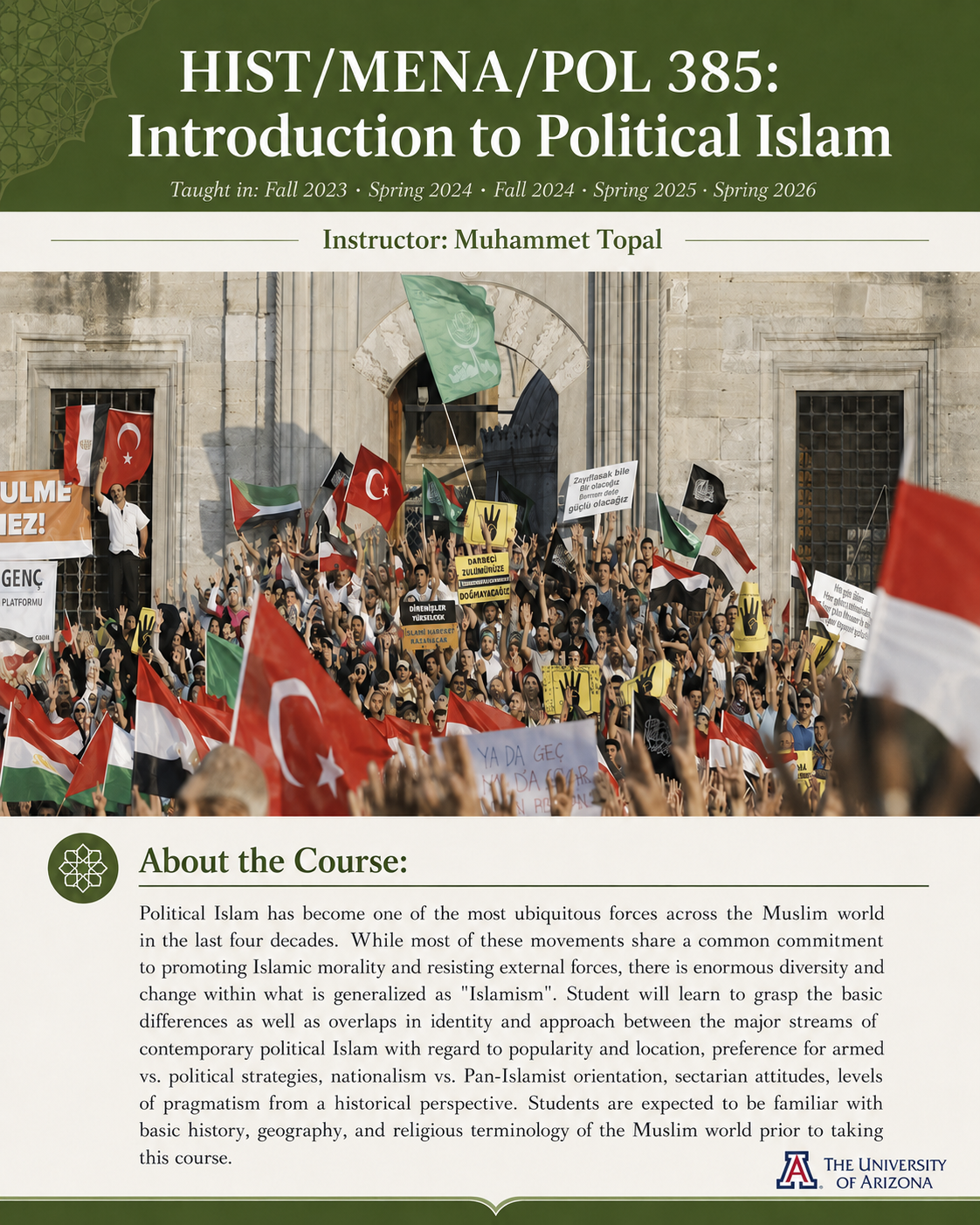
Introduction to Political Islam
This course introduces students to major concepts, debates, actors, and historical contexts in the study of political Islam. Students examine contemporary political Islam with regard to popularity and location, preference for armed vs. political strategies, nationalism vs. pan-Islamist orientation, sectarian attitudes, and levels of pragmatism from a historical perspective.
Taught in: Fall 2023, Spring 2024, Fall 2024, Spring 2025, Spring 2026
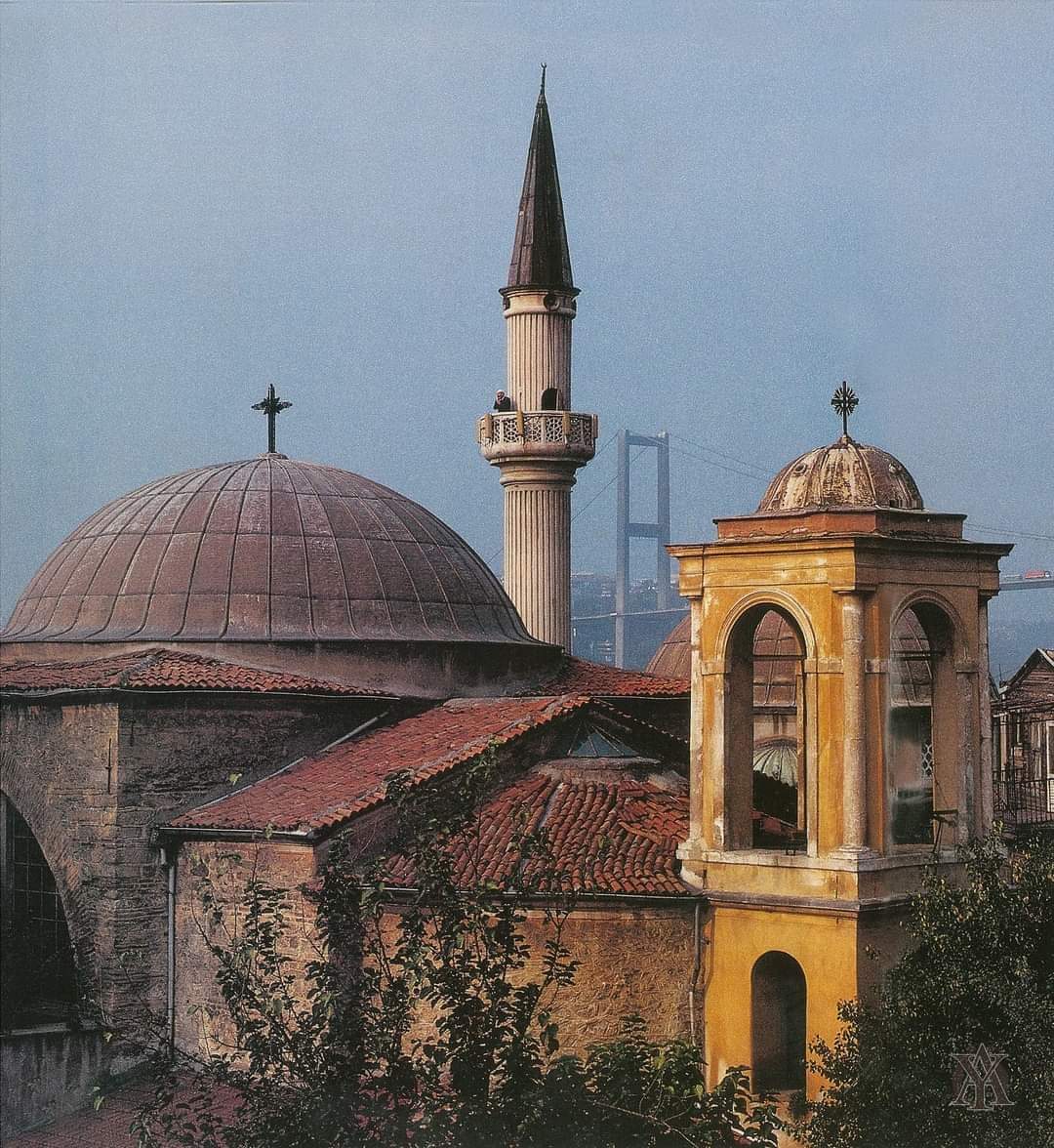
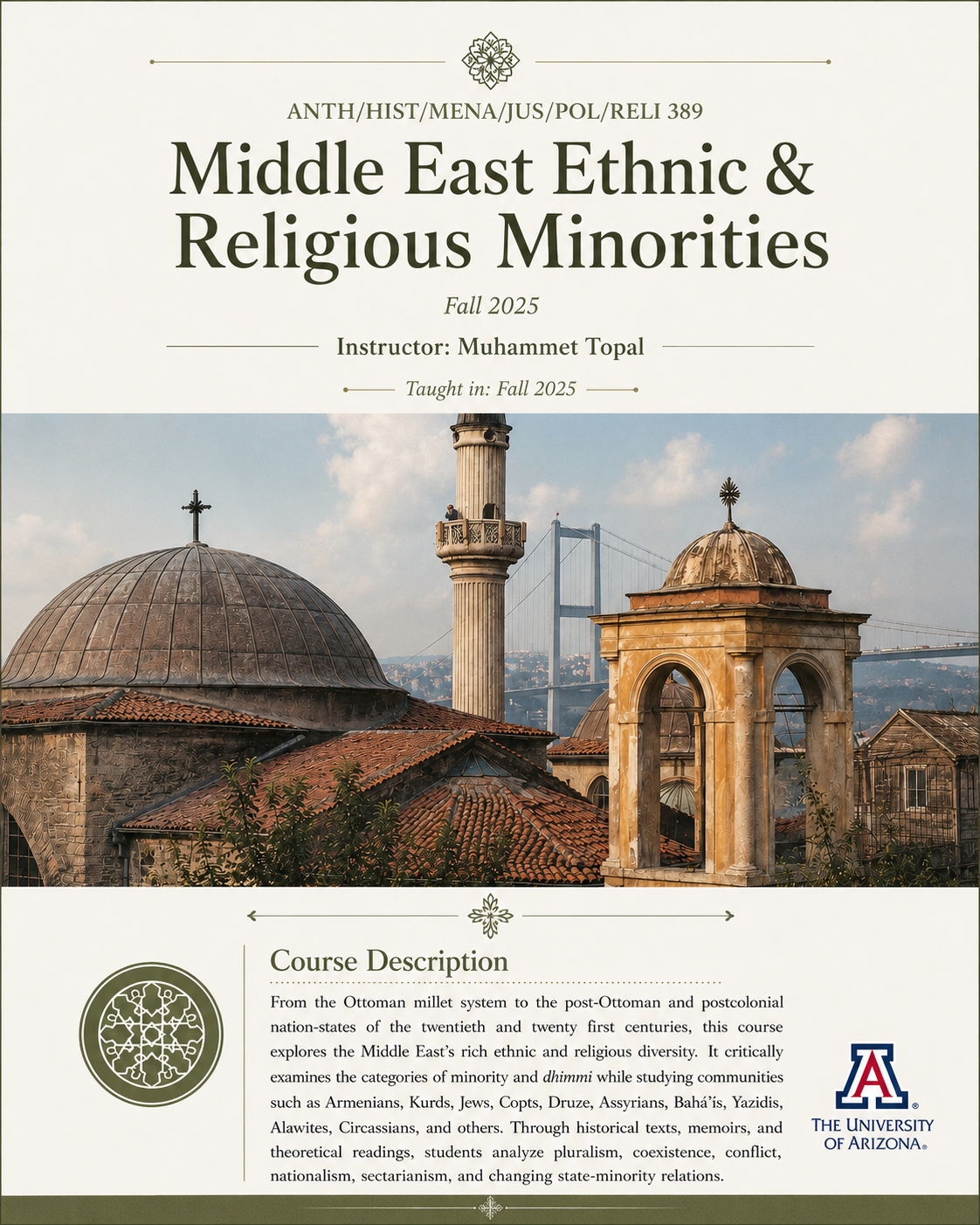
Middle East Ethnic and Religious Minorities
From the Ottoman millet system to the post-Ottoman and postcolonial nation-states of the twentieth and twenty-first centuries, this course explores the Middle East’s rich ethnic and religious diversity. It critically examines categories of minority and dhimmi while studying communities such as Armenians, Kurds, Jews, Copts, Druze, Assyrians, Bahá’ís, Yazidis, Alawites, Circassians, and others.
Taught in: Fall 2025
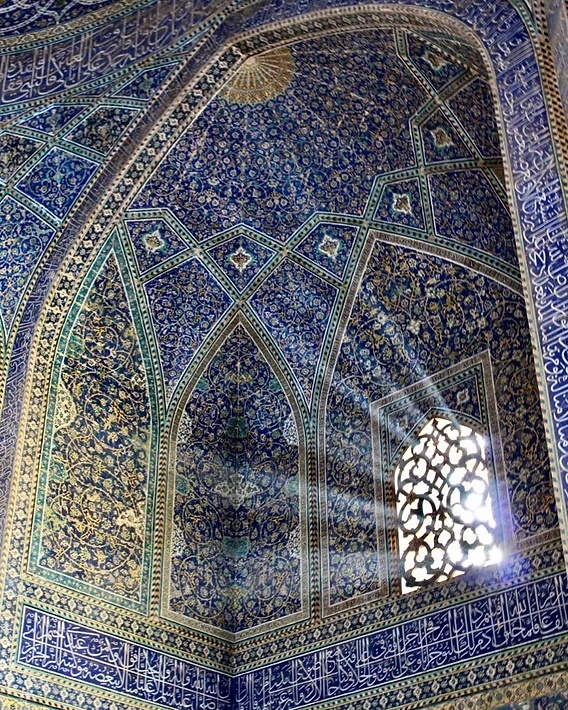
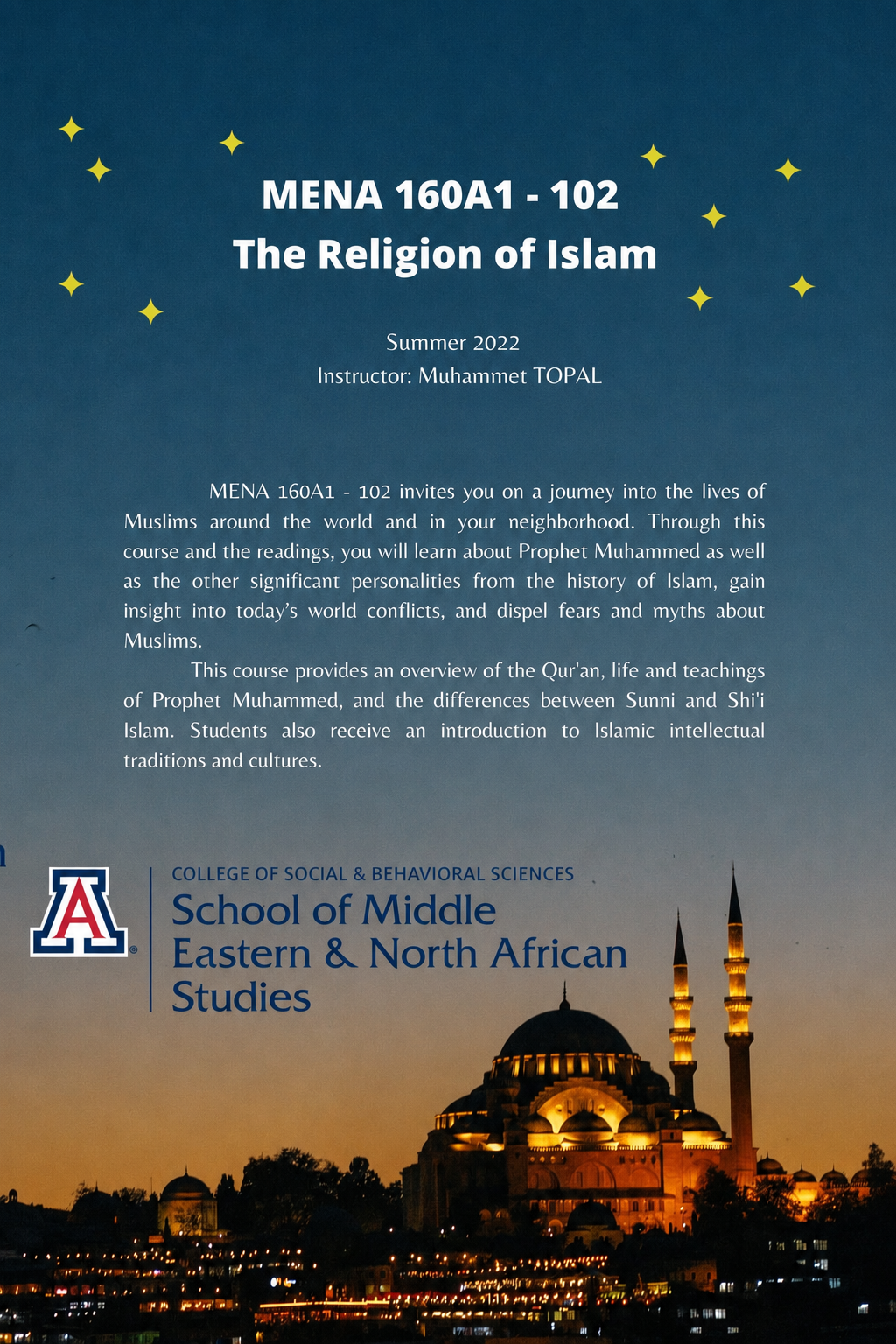
Religion of Islam
This course provides an overview of the Qur’an, the life and teachings of Prophet Muhammed, and the differences between Sunni and Shi‘i Islam. Students also receive an introduction to Islamic intellectual traditions and cultures while examining Muslim societies across time and place.
Taught in: Summer 2022
Graduate Teaching Associate
In these courses, I supported instruction as a teaching assistant and co-teacher. My work included grading, office hours, discussion sessions, guidance on readings and assignments, and occasional lectures or substitute class meetings in coordination with the primary instructor.
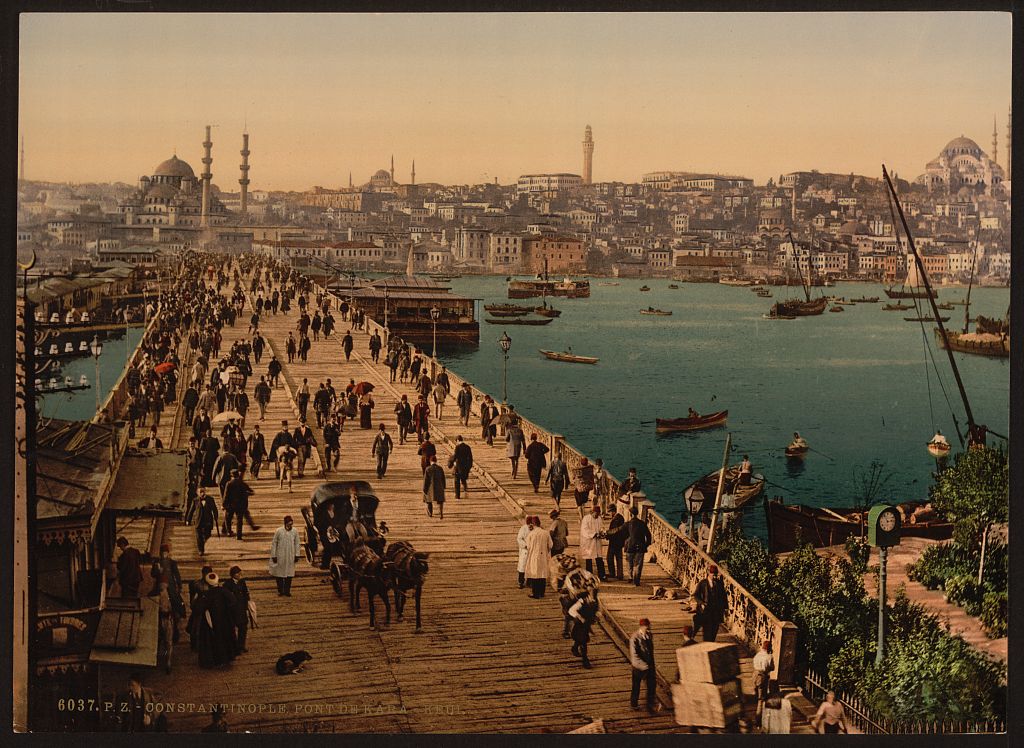
Middle Eastern Humanities
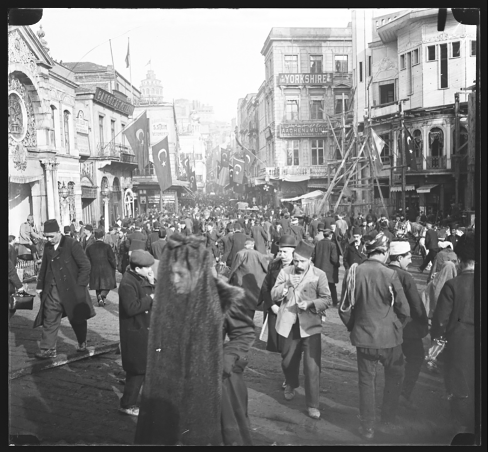
A People’s History of the Modern Middle East
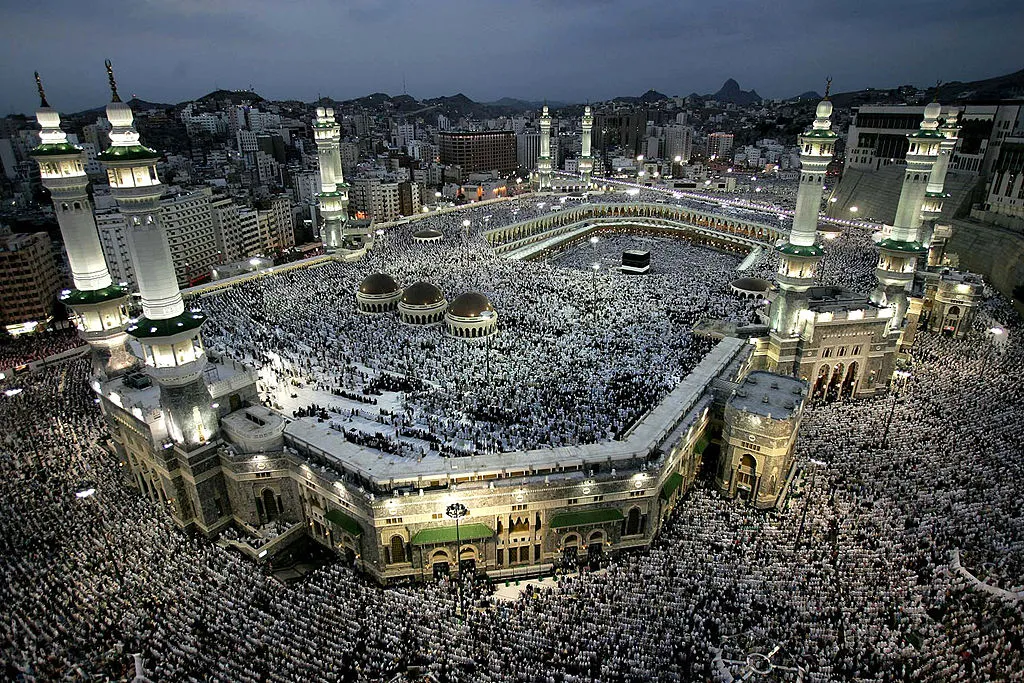
Islamic Civilization: Traditional and Modern
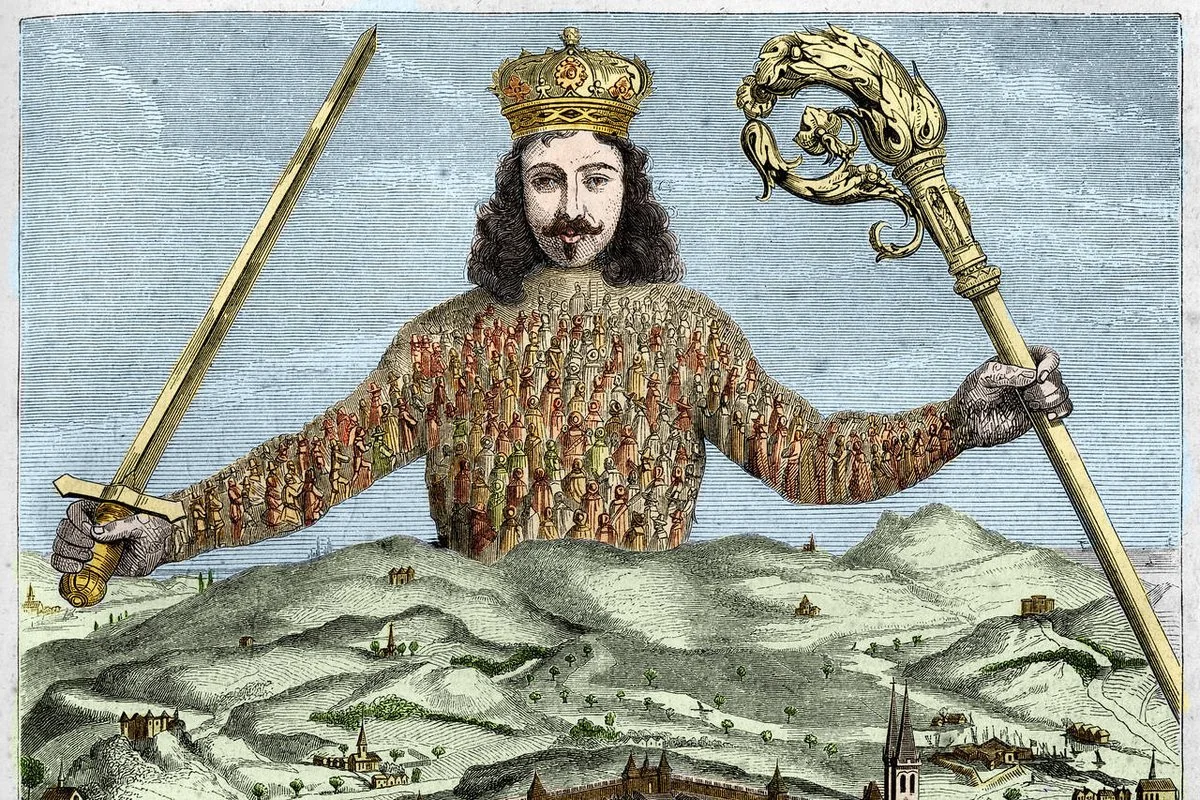
What is Politics?
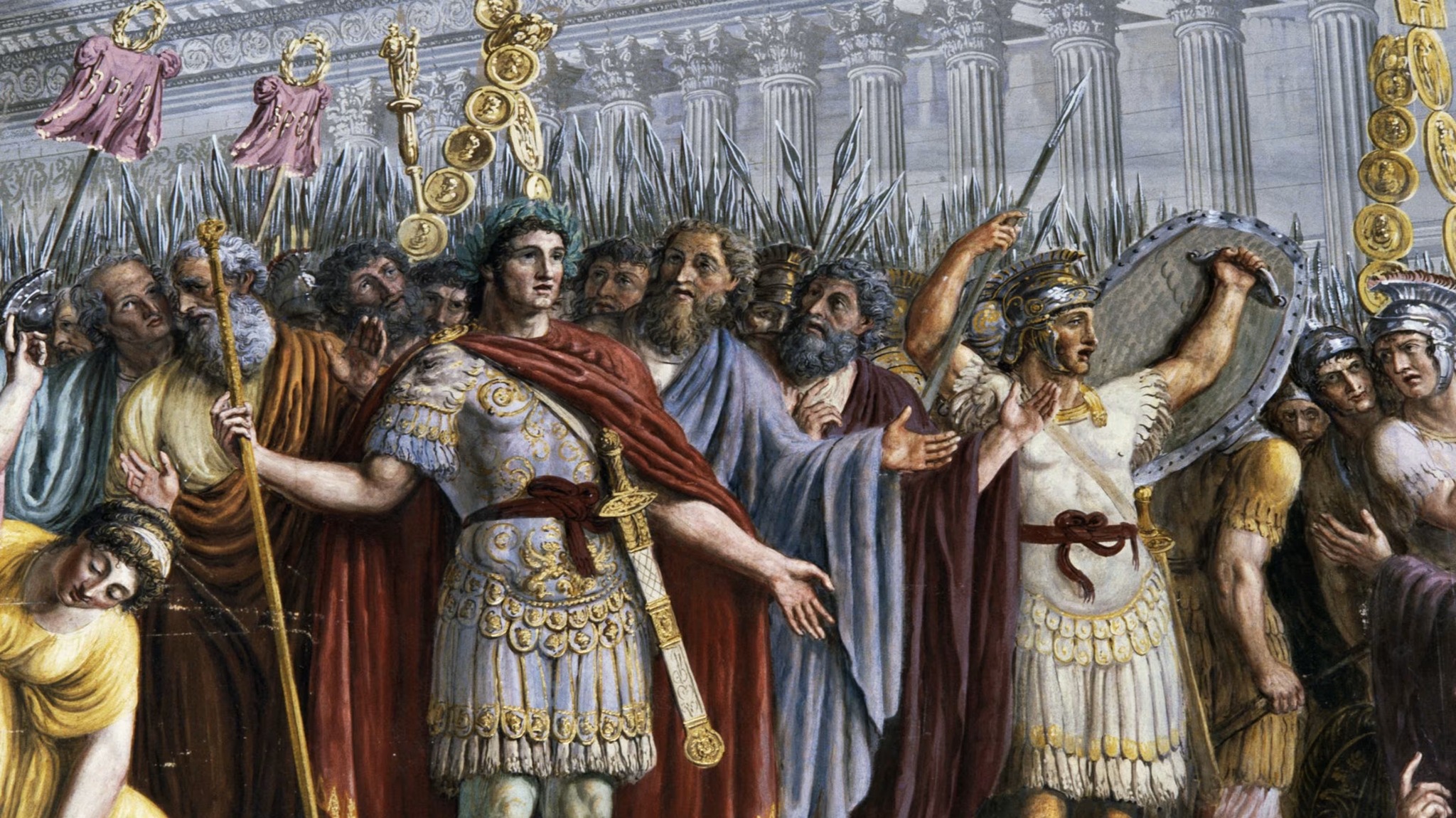
The Roman Empire: Rulers and Ruled
Middle Eastern Humanities
Middle Eastern Humanities introduces students to the values, traditions, and development of Middle Eastern (largely Islamic and Arab) culture and civilization. This course is designed to familiarize students with achievements in art, architecture, literature and popular culture of the Middle East, to help students understand these achievements in their social and cultural contexts, and to consider the historical evolution of our knowledge and understanding of these achievements. Students exiting this course should have gained a sound understanding of the geographical extent and variety, historic significance, cultural contributions, and ongoing importance of this region of the world.
The introduction to the course focuses first on pernicious stereotyping of the Middle East, as well as physical and human geography of the region from North Africa to Iran. Part One explores agriculture and food traditions as a neglected area of the humanities. Part Two considers the rise of Islam in the context of Judaism and Christianity as well as tribal paganism. Part Three considers the aesthetic and cultural traditions of the region (literature, art, architecture, urbanism, music and dance) in the context of Islamic and traditional values. Part Four introduces nationalism and secularism and new communication technologies to frame the politicization of religion and cultural values.
Co-taught in: Fall 2022, Spring 2023
Islamic Civilization: Traditional and Modern
In this course, I assisted students in studying Islamic civilization across traditional and modern contexts. My work included supporting lectures and discussions, grading written assignments, holding office hours, and helping students connect texts, institutions, historical change, and religious traditions.
What is Politics?
In this course, I supported instruction in political thought, institutions, concepts, and public life. I worked with students on reading difficult texts, clarifying conceptual vocabulary, developing arguments, and connecting political ideas to historical and contemporary examples.
The Roman Empire: Rulers and Ruled
In this course, I supported instruction on the Roman Empire with attention to rule, society, power, and historical comparison. My work involved grading, student support, and helping students understand ancient sources, imperial structures, and relations between rulers and ruled.
A People’s History of the Modern Middle East
Other Teaching Experience
World History

Human and Natural Geography
Continental Philosophy
World History
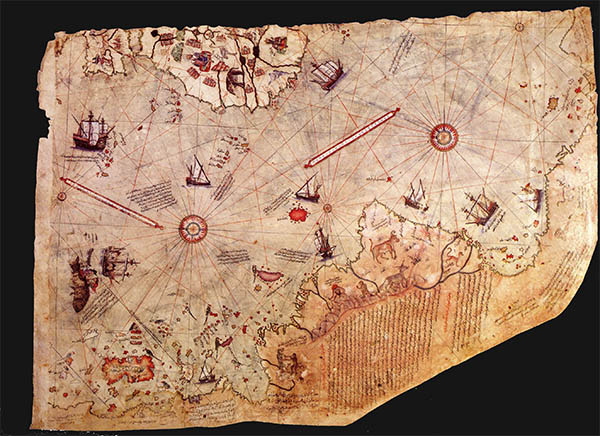
I taught world history through a comparative framework connecting the Ottoman Empire, Europe, the Middle East, and Turkey. The course emphasized chronology, causation, continuity and change, historical comparison, and the interpretation of sources across major political, social, economic, and intellectual transformations.
Human and Natural Geography
I taught human and natural geography as the study of relationships between people, places, environments, and spatial processes. Topics included climate, landforms, water systems, population, migration, settlement, urbanization, economic activity, natural hazards, and environmental change, with regular use of maps, graphs, and geographical data.
Continental Philosophy
I taught philosophy through major questions concerning knowledge, reality, ethics, politics, religion, art, freedom, and human existence. Particular attention was given to continental traditions, modernity, subjectivity, history, society, power, alienation, and meaning, alongside close reading, conceptual analysis, and argumentation.
College Teaching Certificate
Course Design
Learner Centered Teaching
Teaching Sensitive Subjects
Education Technologies
Teaching as Research
College Teaching Practice
Course Design
Through this work, I learned to approach course design as an integrated process rather than as a list of topics and readings. Beginning with the knowledge and abilities students should develop, I learned to align learning objectives, course content, classroom activities, assignments, and assessments.
This training strengthened my ability to organize material into a coherent intellectual progression, scaffold increasingly complex forms of analysis, and make expectations transparent. I apply these principles when planning course rhythm, workload, accessibility, and the movement from initial engagement with material toward interpretation, argument, and independent work.
Learner Centered Teaching
My study of learner centered teaching shifted my attention from what an instructor intends to cover toward what students actually experience, practice, and learn. I learned to design instruction around active intellectual participation, asking students to interpret evidence, compare perspectives, formulate questions, test claims, and reflect on their own learning.
This work also taught me to combine demanding intellectual expectations with clear guidance. I use structured discussion, low stakes practice, transparent assignments, formative feedback, and opportunities for revision to make the path toward historical and critical thinking visible without reducing its difficulty.
Teaching Sensitive Subjects
My work on teaching sensitive subjects examined how instructors can structure responsible inquiry around politically, morally, religiously, and emotionally contested material. It considered potential topics such as settler colonialism and colonialism, minorities, violence, gender, and religion and secularism, alongside other difficult questions that may arise in courses on the Middle East and North Africa, Islam, empire, identity, state formation, and political conflict.
Through this work, I learned that difficult topics require more than an invitation to exchange opinions. They require historical framing, conceptual precision, carefully selected evidence, clear discussion norms, and activities that move students from immediate reaction toward analysis. I developed adaptable simulations, category analyses, comparative exercises, and reflective assignments that help students distinguish understanding from endorsement, productive discomfort from avoidable harm, and genuine complexity from false equivalence.
Teaching and Learning Technologies
My training in teaching and learning technologies taught me to evaluate digital tools according to their pedagogical purpose rather than their novelty. I learned to begin with a learning objective and then ask whether a technology can improve access, participation, collaboration, feedback, practice, or the analysis and presentation of evidence.
I use learning management systems, multimedia platforms, digital annotation, collaborative tools, recorded materials, and digital storytelling when they clarify a task or support meaningful engagement. This work also made me more attentive to accessibility, cognitive load, privacy, and unequal access, and reinforced that technology should support rather than replace sustained reading, writing, interpretation, and discussion.
Teaching as Research
Teaching as Research introduced me to teaching as a systematic and reflective form of inquiry. I learned to formulate focused questions about student learning, identify appropriate evidence, and assess whether an assignment, activity, or instructional strategy produces the learning it was designed to support.
This approach helps me move beyond impressions of whether a class seemed successful. I examine student work, classroom responses, assessment results, and recurring misunderstandings, then use that evidence to revise course design and teaching practice. It has strengthened my ability to make instructional decisions through observation, analysis, and iterative improvement.
College Teaching Practice
College Teaching Practice allowed me to connect pedagogical principles with the daily work of university instruction. Through planning, observation, practice, reflection, and feedback, I learned to translate course objectives into individual class sessions, select activities appropriate to different forms of content, communicate expectations clearly, and assess understanding while learning is still taking place.
This training strengthened my skills in lesson planning, discussion facilitation, assignment and rubric design, grading, feedback, and reflective self evaluation. I now approach each course as a continuing process of design, implementation, observation, and revision, guided by a clear plan but responsive to evidence from the classroom.
Teaching Statement
My teaching is shaped by the conviction that history is not a fixed narrative to be memorized, but a method of inquiry through which students learn to read evidence, compare interpretations, and understand how people have made sense of changing worlds. My academic formation across Turkey, France, and the United States has exposed me to different pedagogical traditions: exam oriented instruction in Istanbul, interdisciplinary political and historical inquiry in Paris, seminar based archival training at the École pratique des hautes études, and learner centered pedagogy at the University of Arizona. These experiences have made me attentive to the different ways students enter the classroom. Some arrive with strong regional or disciplinary background. Others encounter the Middle East, Islam, Ottoman history, or historical method for the first time. My aim is to build classrooms where both groups can learn together through structure, curiosity, and critical engagement.
At the center of my teaching is active, source centered learning. I want students to understand not only what happened in the past, but how historical knowledge is produced. In my courses, students work with newspapers, political texts, memoirs, visual materials, maps, speeches, travel accounts, and contemporary media sources. I ask them to consider authorship, audience, genre, translation, silence, and context. This approach helps students see that history is built from incomplete and contested evidence, and that interpretation is not an obstacle to historical understanding but the practice through which historical knowledge becomes possible.
My classroom practice is designed to make students active participants in this process. One technique I use regularly is rotating group discussion. Students first work in small groups on a guiding question drawn from the day’s readings. Each student is then assigned a number and regroups with students from other tables, where they explain the conclusions of their original group. In a short period of time, the whole class reviews the central arguments, examples, and problems of the readings through students’ own voices. This method creates accountability without making discussion intimidating. It also prevents participation from being dominated by a few students.
I also design assignments that connect historical inquiry to public debate. In my Introduction to Political Islam course, students complete a media analysis project in which they compare how different media outlets present a topic related to the course. Before they begin, I introduce possible formats, including analytical essays, podcasts, short videos, and websites. Students then analyze authorship, framing, political perspective, and evidence, while connecting their findings to course concepts. This assignment develops historical thinking, media literacy, comparative analysis, and public communication.
Because many of my courses involve sensitive subjects, I pay particular attention to the conditions under which discussion happens. Topics such as religion and politics, minority histories, colonialism, nationalism, war, political violence, racism, Islamophobia, antisemitism, gender, and contemporary Middle Eastern conflicts require both intellectual openness and pedagogical structure. I try to make the classroom a space where students can examine difficult materials with precision, historical context, and respect. This means slowing down immediate reactions, defining terms carefully, separating analytical disagreement from personal attack, and asking students to ground their claims in evidence.
I use primary source workshops to train students in historical interpretation. When students read an Ottoman newspaper excerpt, a political manifesto, a travel narrative, or a colonial report, I ask them first to identify the author, audience, purpose, and historical setting. Then we move to larger questions: what does the source reveal, what does it hide, what assumptions does it carry, and what kinds of historical arguments can or cannot be built from it? In courses where students have little prior background, I also use maps, timelines, vocabulary sheets, short contextual lectures, and low stakes reading questions.
My teaching experience has prepared me to design and deliver courses independently across several fields. At the University of Arizona, I have taught Introduction to Political Islam, Middle East Ethnic and Religious Minorities, and Religion of Islam as Instructor of Record. I have also worked as a Graduate Teaching Associate in courses including Middle Eastern Humanities, History of the Modern Middle East, Islamic Civilization, What is Politics?, and The Roman Empire.
My formal pedagogical training has strengthened this practical experience. At the University of Arizona, I completed the Graduate Certificate in College Teaching. This formal training is described separately in the College Teaching Certificate section. I design courses by beginning with clear learning objectives and then aligning readings, classroom activities, assignments, and assessments with those objectives.
I am prepared to teach a wide range of courses in history, Middle East studies, Islamic studies, and global studies. At the introductory and survey level, I can teach World History, World Civilizations, The Modern World, The History of Nation States, Europe from 1789 to 1914, The Interwar Period, The Cold War World, The World from the Atomic Bomb to the Internet, and Global History since 1945. In Middle Eastern and Ottoman history, I can teach The Middle East since 1800, The Ottoman Empire to 1800, The Ottoman Empire in the Long Nineteenth Century, The Modern Middle East, Islamic Civilization, Political Islam, Religion and Politics in the Muslim World, and Minorities in the Middle East.
At the upper level, I can offer more specialized courses that build from my research and teaching experience while remaining accessible to students from different majors. These include Ottoman Biographies, Biography and History, Ottoman Intellectual History, Journalism and Public Life in the Middle East, War and Society in the Modern Middle East, Empire and Nationalism, Migration and Mobility in the Mediterranean, History Education and the Making of Political Subjects, and The Middle East through Popular Culture. I am also prepared to teach methodology courses, including Introduction to Historical Methods, MENA Methods, Historiography, Archival Research, Source Criticism, and Biography as Historical Method.
Inclusivity and accessibility are central to my teaching practice. I do not understand inclusivity only as the addition of diverse materials, although that matters. I understand it also as a matter of course structure. Students participate more fully when they know what is expected of them, when assignments are explained clearly, when grading criteria are transparent, and when difficult material is broken into manageable steps. In my courses, I try to create these conditions through clear syllabi, guided reading questions, staged assignments, regular feedback, and multiple forms of participation.
Ultimately, my goal as a teacher is to help students develop habits of critical reading, analytical writing, historical reasoning, and intellectual generosity. I want them to leave my courses with more than information about a region or period. I want them to understand how narratives are constructed, how power shapes knowledge, how historical actors navigated the worlds they inherited, and how the past remains active in the present. Teaching, for me, is a form of shared inquiry. It gives students tools to think historically, and it asks them to take seriously the complexity of other lives, other places, and other times.