Research
Research Trajectory
My current dissertation grows out of a longer research trajectory shaped by questions of empire, sovereignty, migration, biography, journalism, and public life. Although my present work begins with Mehmed Murad Bey, the problems that led me to him developed through earlier projects.
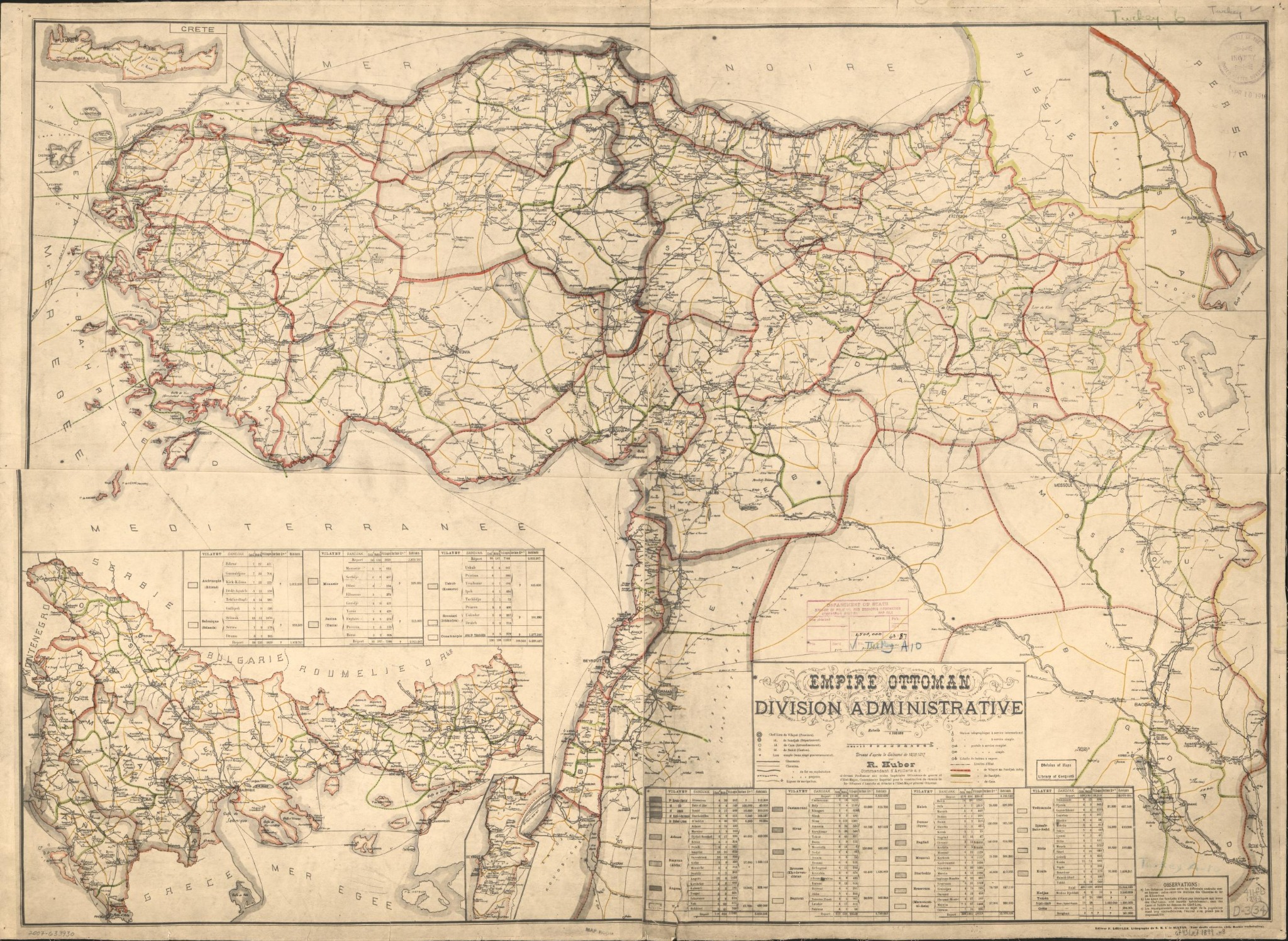
My undergraduate research at Boğaziçi University examined the Ottoman Qajar borderland in the nineteenth century. That project studied the eastern frontier of the Ottoman Empire not as a fixed line between two states, but as a political and social space shaped by centralization, uncertainty, negotiation, and mobility. It gave me my first sustained engagement with imperial authority and frontier politics. In retrospect, it already contained several questions that still guide my work: how authority is made, how borders are lived and negotiated, and how people at the edges of empires reveal structures that are less visible from the center.
During my MA at the École pratique des hautes études in Paris, I turned from borderlands to intellectual biography. My thesis, Individuation et politisation : Portrait d’un intellectuel ottoman en tant que journaliste [Individuation and Politicization: Portrait of an Ottoman Intellectual as Journalist], examined the formative years of Mehmed Murad Bey and his early insertion into Ottoman public life. I asked how a young migrant from Dagestan became an Ottoman journalist, teacher of history, and public intellectual.
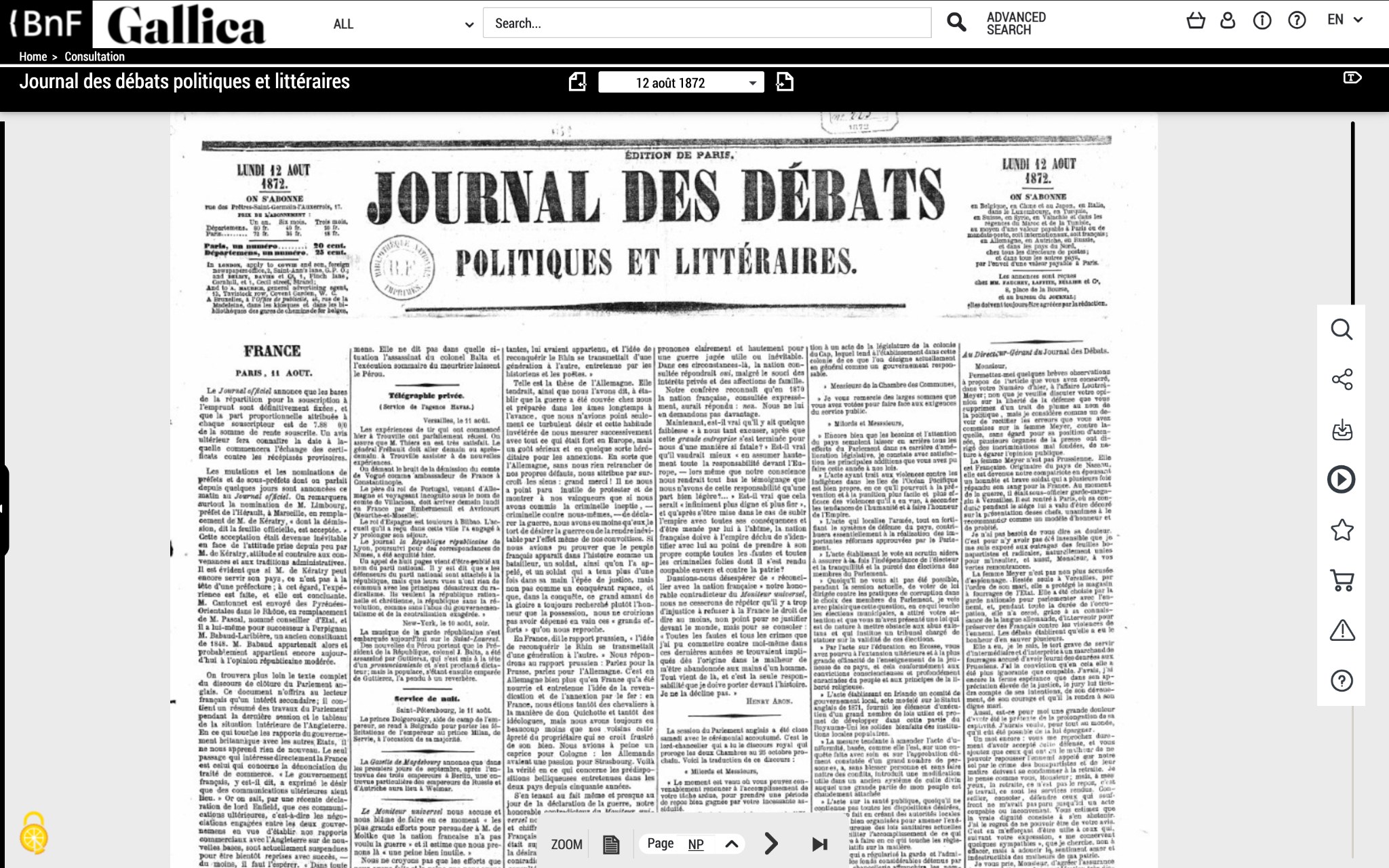
The MA thesis focused especially on Murad’s individuation and politicization. I reconstructed his early life, his move into Ottoman institutions, his teaching identity, and the first publication period of Mizan between 1886 and 1890. I treated Mizan not only as a newspaper, but as a space of knowledge production where reform, governance, morality, public opinion, and imperial order were debated through historical reasoning. The project also trained me to read newspapers as intellectual worlds rather than as simple containers of opinion.
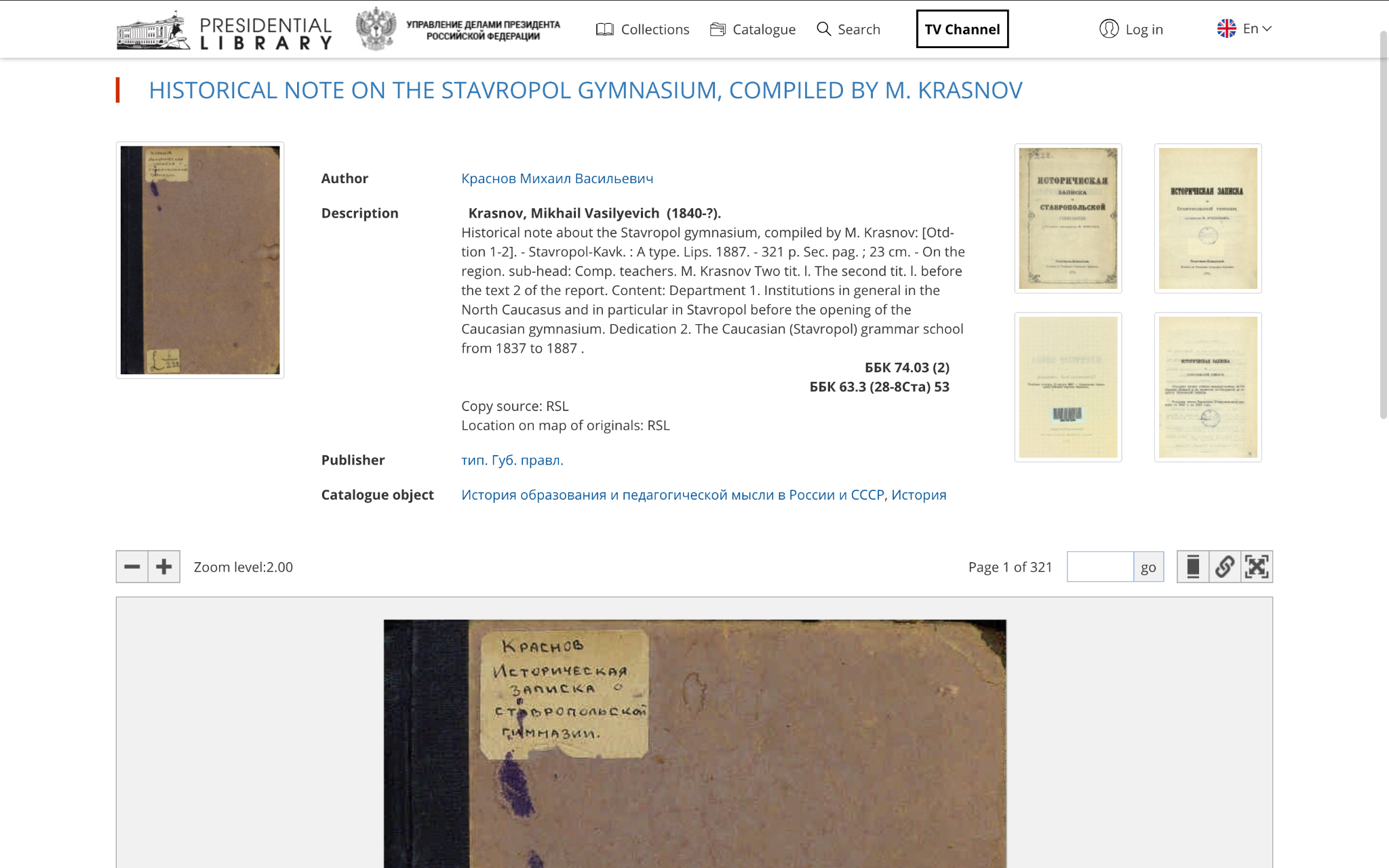
My doctoral work expands this earlier project in scope, method, and ambition. Instead of focusing only on Murad’s early formation and journalism, I now follow his intellectual life across genres and political situations. I read his historical works, novel, memoirs, journalism, political writings, and institutional career together. This allows me to move beyond the question of what Murad thought toward a larger historical problem: how a late Ottoman intellectual life was made, sustained, fractured, and remembered.
Across these projects, my work has moved from borderlands to biography, from sovereignty to public opinion, from imperial frontiers to intellectual networks, and from the nineteenth century to questions about modern public life. I remain interested in the Ottoman Empire as a historical formation, but I do not treat it as a closed field. I study it through its connections to the Caucasus, Russia, France, Egypt, the Mediterranean, the Middle East, and modern Turkey.
This trajectory also shaped my method. I use biography not to celebrate exceptional individuals, but to study large historical processes at the scale of lived experience. Individual lives make it possible to see how empire, education, bureaucracy, migration, journalism, and exile were actually inhabited. They also prevent the historian from turning structures into abstractions. Biography forces us to ask how people understood their own choices, how they imagined their obligations, and how they tried to act within conditions they did not fully control.