
Teaching
Teaching Experience
Instructor of Record
As instructor of record, I designed and taught these courses as the primary instructor. My responsibilities included syllabus and course design, learning objectives, lectures, classroom facilitation, assessment design, grading, office hours, student communication, and ongoing adjustment of course materials to support student learning.
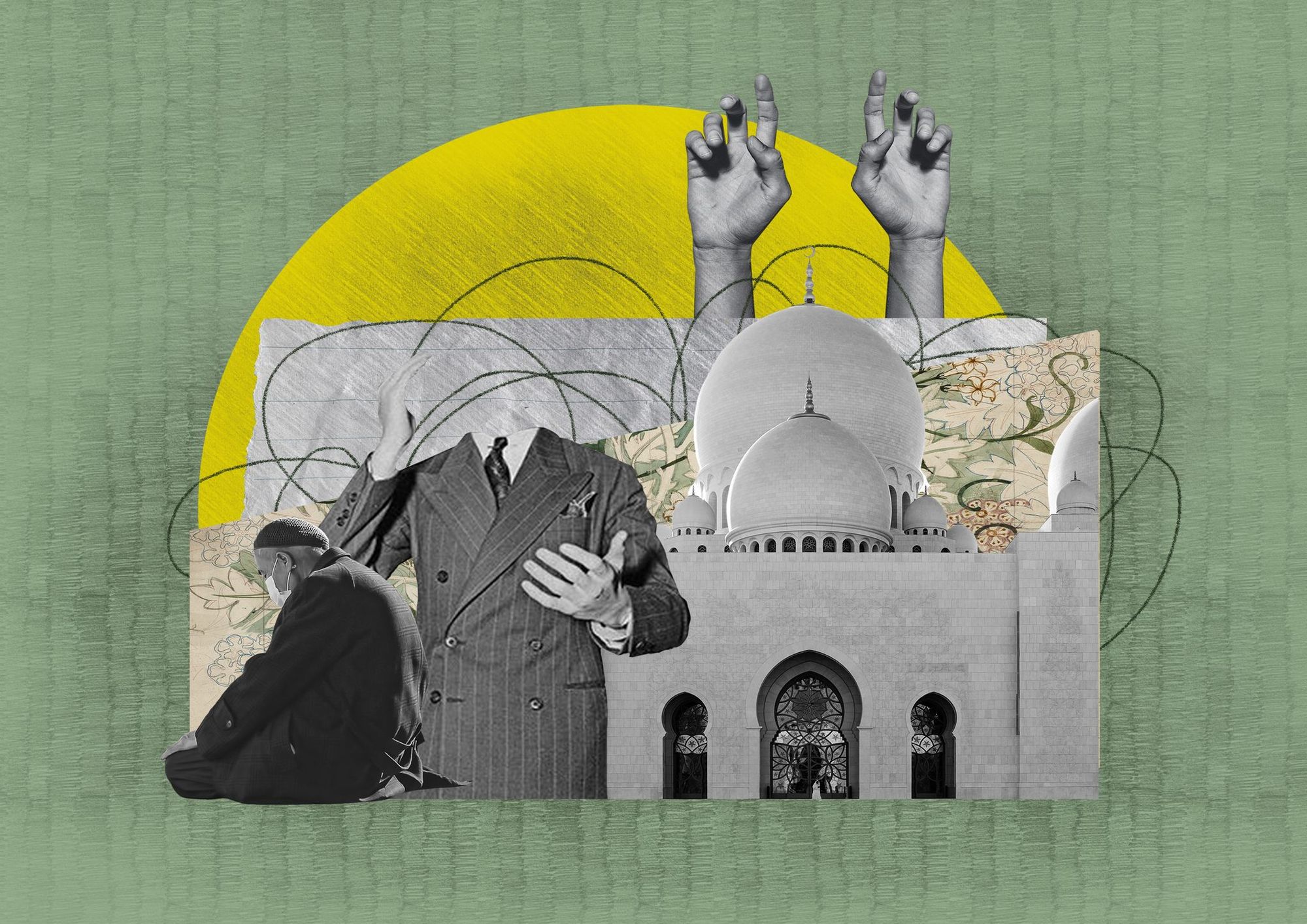
Introduction to Political Islam
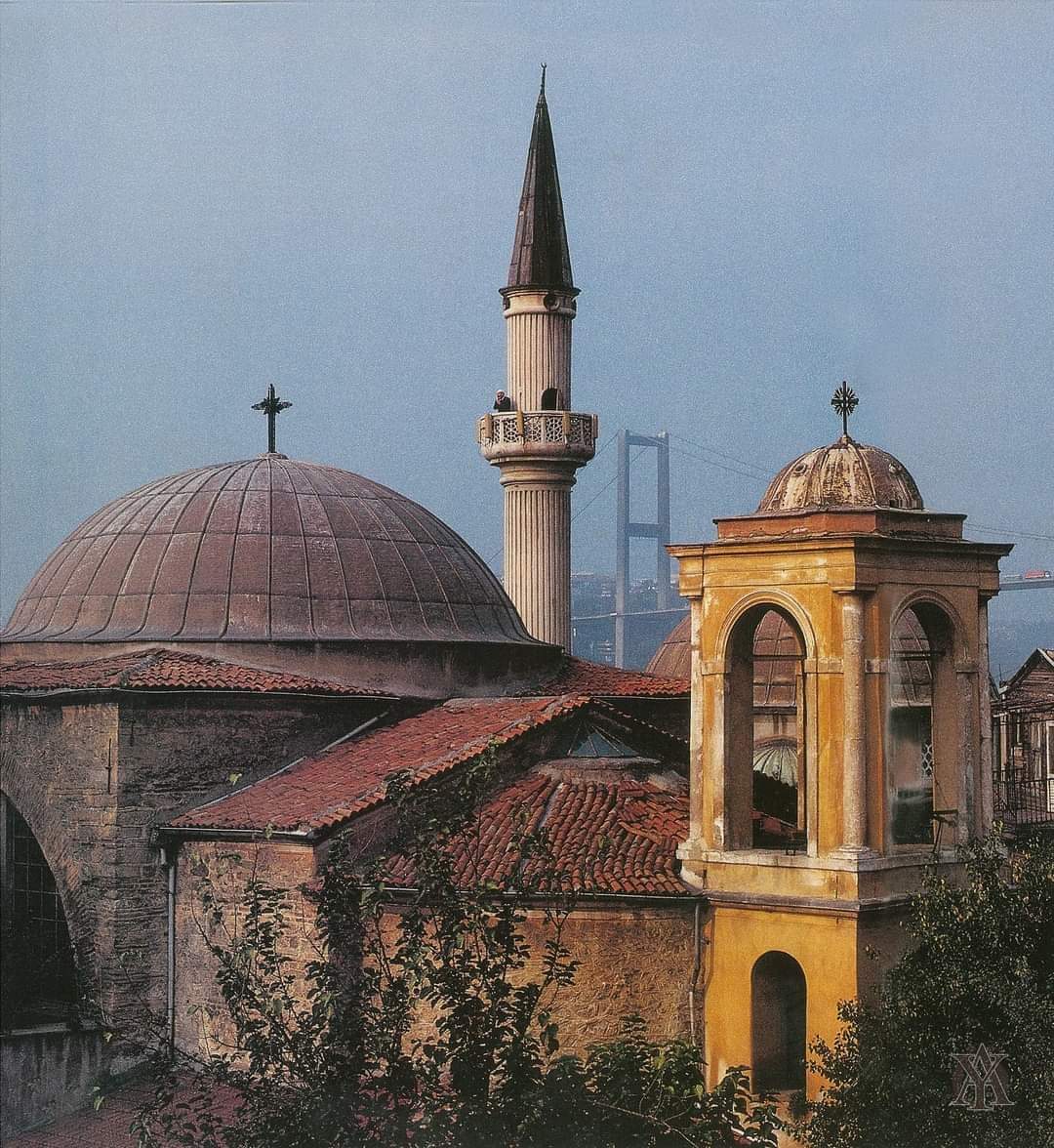
Middle East Ethnic and Religious Minorities
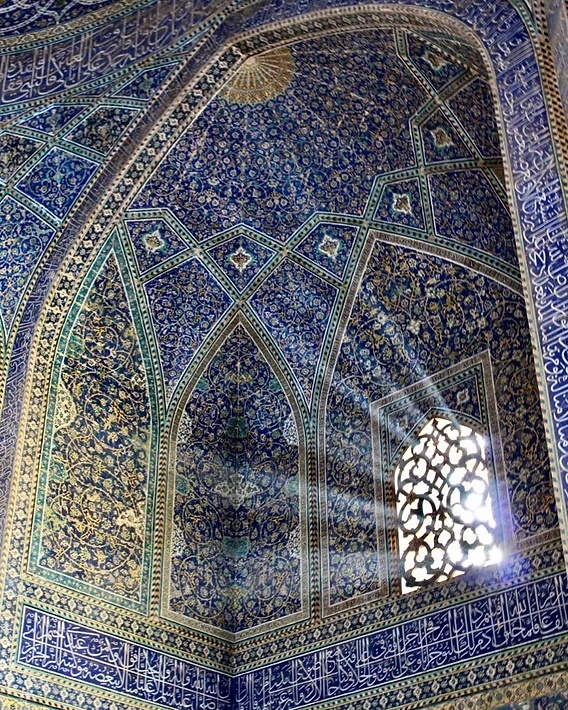
Religion of Islam
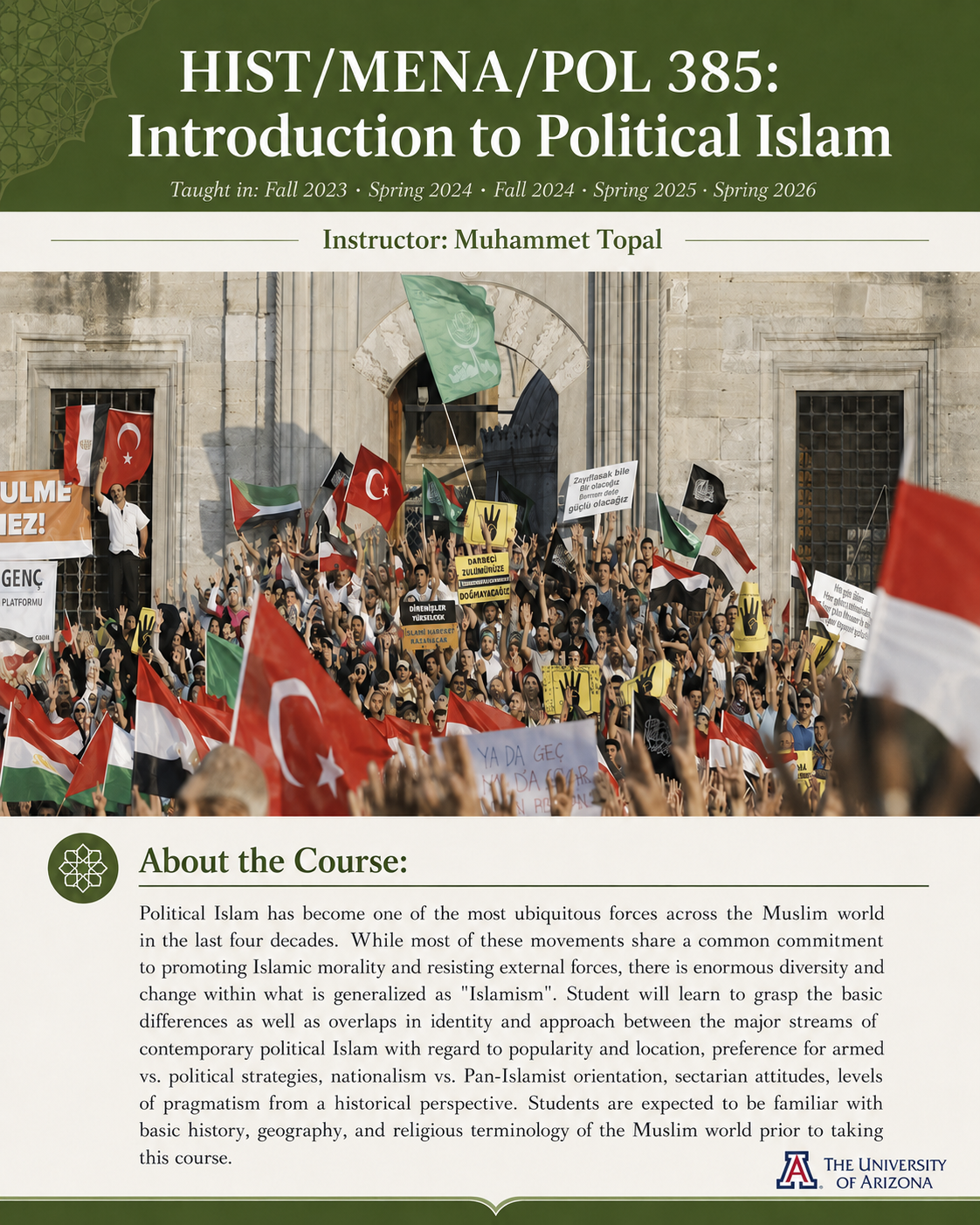
Introduction to Political Islam
This course introduces students to major concepts, debates, actors, and historical contexts in the study of political Islam. Students examine contemporary political Islam with regard to popularity and location, preference for armed vs. political strategies, nationalism vs. pan-Islamist orientation, sectarian attitudes, and levels of pragmatism from a historical perspective.
Taught in: Fall 2023, Spring 2024, Fall 2024, Spring 2025, Spring 2026
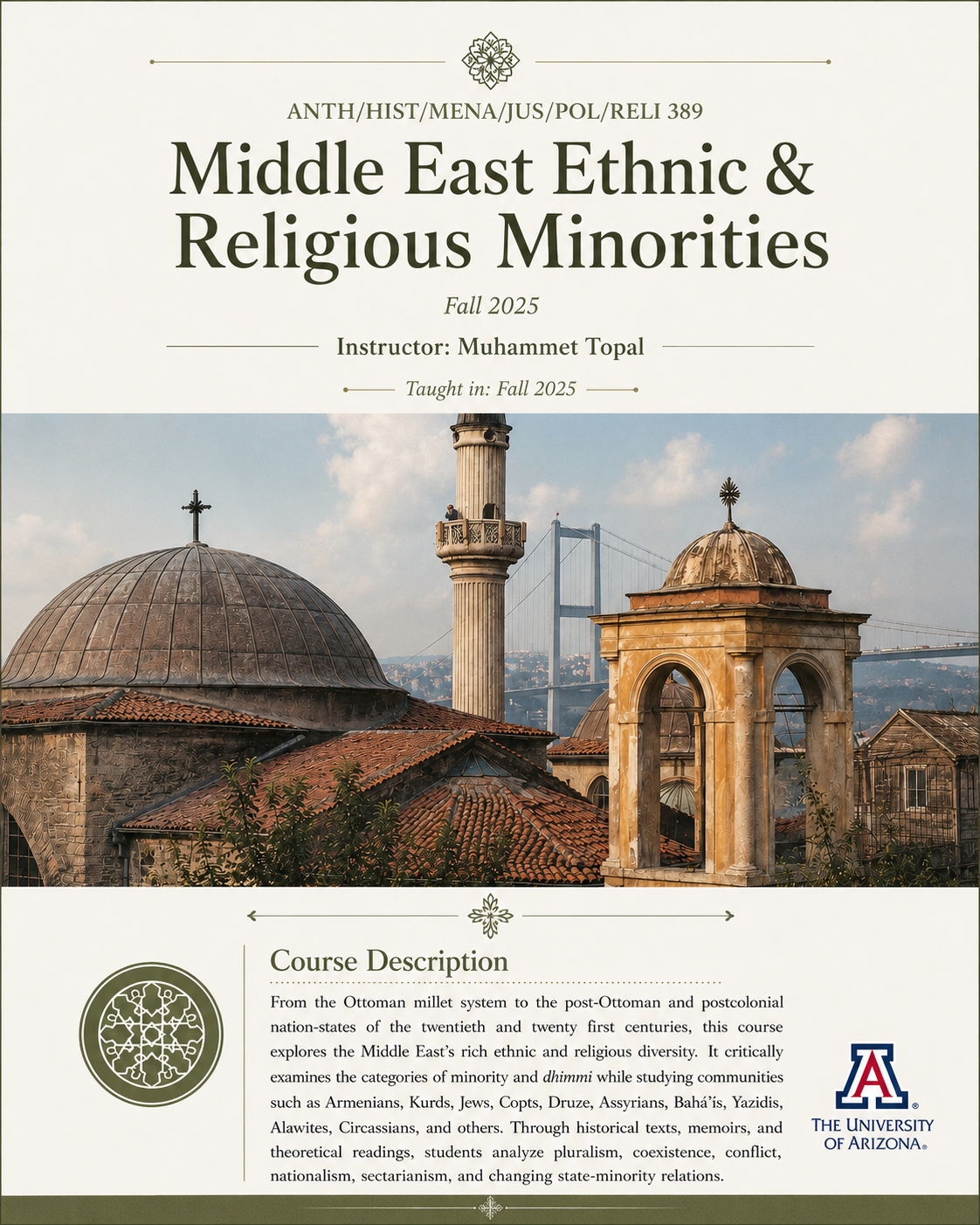
Middle East Ethnic and Religious Minorities
From the Ottoman millet system to the post-Ottoman and postcolonial nation-states of the twentieth and twenty-first centuries, this course explores the Middle East’s rich ethnic and religious diversity. It critically examines categories of minority and dhimmi while studying communities such as Armenians, Kurds, Jews, Copts, Druze, Assyrians, Bahá’ís, Yazidis, Alawites, Circassians, and others.
Taught in: Fall 2025
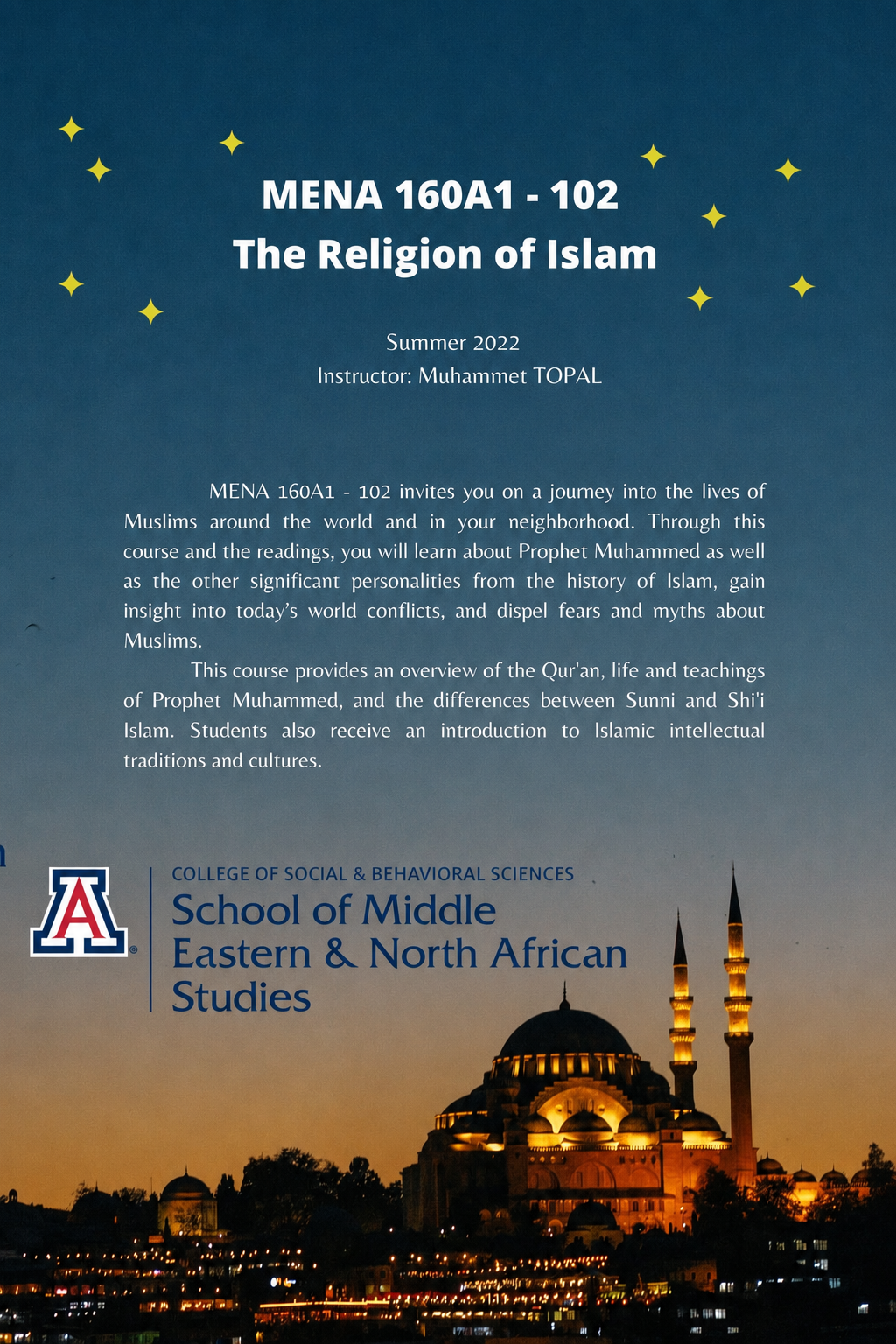
Religion of Islam
This course provides an overview of the Qur’an, the life and teachings of Prophet Muhammed, and the differences between Sunni and Shi‘i Islam. Students also receive an introduction to Islamic intellectual traditions and cultures while examining Muslim societies across time and place.
Taught in: Summer 2022
Co-Teaching
In these courses, I supported instruction as a teaching assistant and co-teacher. My work included grading, office hours, discussion sessions, guidance on readings and assignments, and occasional lectures or substitute class meetings in coordination with the primary instructor.
Middle Eastern Humanities
A People’s History of the Modern Middle East
Islamic Civilization: Traditional and Modern
What is Politics?
The Roman Empire: Rulers and Ruled
Middle Eastern Humanities
In this course, I supported instruction in Middle Eastern humanities through discussion facilitation, reading guidance, office hours, grading, and feedback on student work. The course introduced students to cultural, historical, literary, and religious materials from the Middle East while helping them practice close reading and comparative interpretation.
Islamic Civilization: Traditional and Modern
In this course, I assisted students in studying Islamic civilization across traditional and modern contexts. My work included supporting lectures and discussions, grading written assignments, holding office hours, and helping students connect texts, institutions, historical change, and religious traditions.
What is Politics?
In this course, I supported instruction in political thought, institutions, concepts, and public life. I worked with students on reading difficult texts, clarifying conceptual vocabulary, developing arguments, and connecting political ideas to historical and contemporary examples.
The Roman Empire: Rulers and Ruled
In this course, I supported instruction on the Roman Empire with attention to rule, society, power, and historical comparison. My work involved grading, student support, and helping students understand ancient sources, imperial structures, and relations between rulers and ruled.
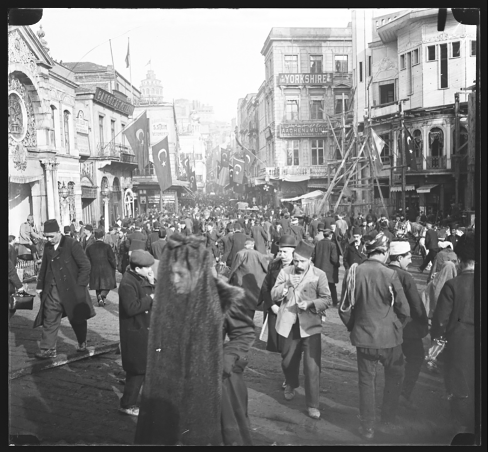
A People’s History of the Modern Middle East
Other Teaching Experience
World History
Human Geography
Continental Philosophy
World History
I taught world history to senior high school students and recent graduates preparing for competitive university entrance exams. The course combined broad historical narratives with focused explanation of key concepts, chronologies, and patterns of political, social, and cultural change.
Human Geography
I taught human geography through conceptual and exam oriented instruction connecting space, society, population, environment, and historical change. The course emphasized clear explanation, visual reasoning, and the translation of broad geographic concepts into concrete examples.
Continental Philosophy
I taught continental philosophy by helping students move between broad intellectual narratives and concrete examples. The course required translating difficult concepts into accessible language while preserving their historical and theoretical complexity.
Teaching approach
My teaching asks students to approach history as an active form of inquiry. I encourage them to read closely, ask how knowledge is produced, compare interpretations, and think critically about sources, concepts, and historical narratives.
I also have experience teaching sensitive subjects, including religion, political conflict, minority histories, empire, nationalism, migration, colonialism, violence, and contemporary public debates. I approach these topics through historical context, careful language, structured discussion, and clear classroom expectations.